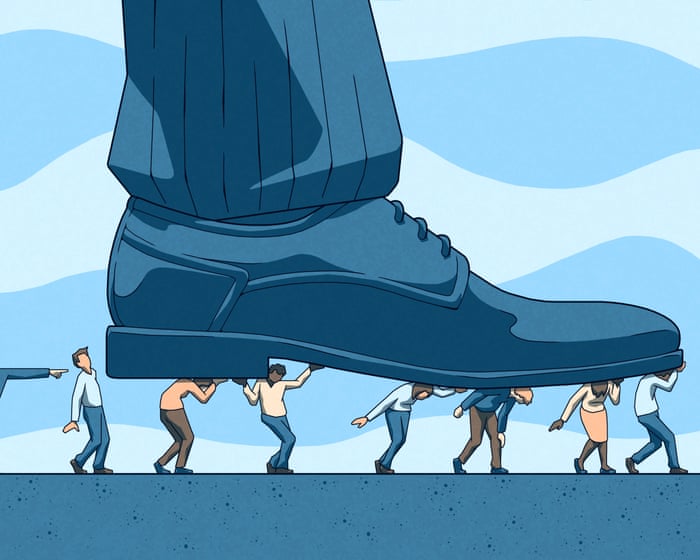
Last week’s Milburn review contained telling phrases, but the core problem is not Neets: it’s what capitalism as we know it has done to employment Everyday pride and contentment. That’s what work should give us. In 15-plus years of speaking to ordinary people and politicians about the UK’s serial woes and crises, one thing has revealed itself to me time and time again: the mess of cant, contradictions and tensions in our national understanding of work.
Also readNvidia reinstates CEO Jensen Huang after affair with alleged spy as Trump says 'I made the deal'
Indeed, the higher up the hierarchies of power and influence any conversation about work goes, the more one vitally important subject seems to fall away: what paid employment actually is or ought to be. All of this is reflective of a very British kind of amnesia.
Of course poorly rewarded, unreliable jobs have always been part of our economy – and in the past a focus of fierce social conflict . But well within living memory a combination of the power of trade unions and the collective social conscience built into the postwar consensus resulted in an economy and labour market that now seem almost inconceivable.
Also readI pay £250 a month for someone else to do my life admin - it's worth it
For sure they were scattered with restrictive practices and base prejudice: fathers securing jobs for their sons, people from minorities being excluded from work not just by people in management but by their fellow workers, and a great deal of sexism. But one of the tragedies of Labour’s 18 long years of exile from power and the climactic defeat of organised labour in the miners’ strike was the fact that they opened the way for the wholesale reinvention of work and watershed developments that we seem to be only just waking up to.
Continue reading...