Australia’s federal antisemitism envoy, Jillian Segal, has recommended the creation of an independent external ombudsman to oversee and evaluate how public broadcasters handle reporting on Israel and the Middle East conflict. According to a report published by World news | The Guardian, the proposed watchdog would specifically monitor output from public broadcasters ABC and SBS. The envoy's advisory document argues that the public perception connecting media coverage of overseas hostilities to rising hostility directed at Jewish Australians constitutes a major matter of public importance that requires structured oversight.
Evaluating Public Broadcaster Standards
The submission outlines a framework intended to address community concerns regarding editorial balance and fairness in international reporting. According to the report states, establishing an external complaints and monitoring mechanism would provide an independent layer of accountability beyond internal broadcaster reviews. While media organizations maintain their own editorial guidelines and internal ombudsmen, the proposal contends that external scrutiny is necessary to restore public confidence. The envoy emphasizes that community trust in national broadcasters remains a vital component of social cohesion, particularly during periods of intense geopolitical friction.
(Context: Debates over editorial independence and media bias often ignite fierce political and cultural friction, with critics of oversight warning against government-backed interference in newsrooms, while advocates argue that robust accountability mechanisms are essential to prevent the amplification of prejudice.)
Why This Matters
This proposal strikes at the core of institutional accountability and editorial independence in national media. For Jewish communities across Australia, accurate and fair reporting on the Middle East is seen as directly linked to their day-to-day safety and social standing, as inflammatory narratives can quickly translate into real-world hostility. Conversely, media freedom advocates and journalists closely monitor any move toward external oversight, viewing editorial autonomy as a cornerstone of a democratic press. The friction between protecting minority communities from prejudice and safeguarding independent journalism from external pressure creates a delicate balancing act for policymakers.
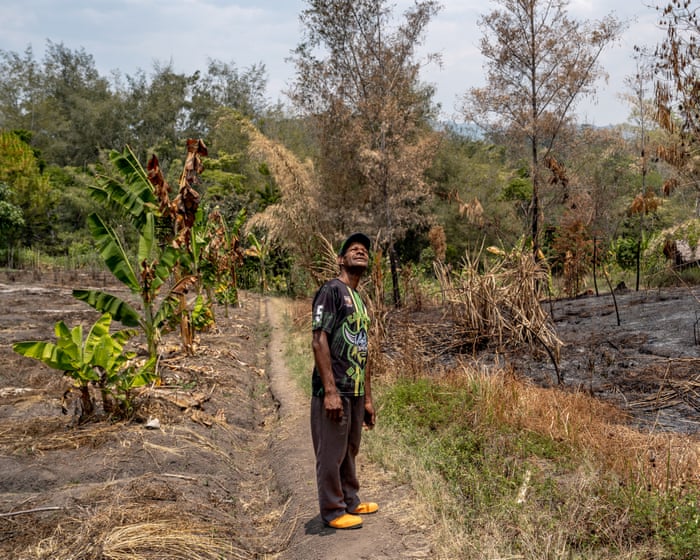
As readers navigate evolving domestic debates, broader global pressures continue to strain public resources, mirroring challenges seen in other regional crises, such as the strain on public infrastructure addressed in coverage of the El Niño-driven drought in Papua New Guinea a ‘national crisis’ as rivers dry up and local farms fail.
What to Watch
Observers will be tracking the federal government’s official response to determine whether policymakers decide to adopt the ombudsman recommendation or pursue alternative compliance measures. Further commentary from representatives of ABC, SBS, and various media unions will likely reveal the extent of institutional resistance or cooperation regarding the proposed oversight framework.
Sources: World news | The Guardian