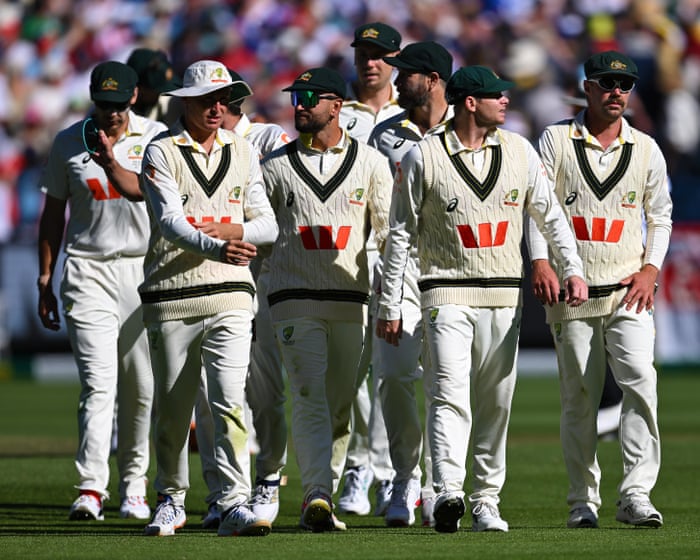
Cricket Australia absorbed a $20 million financial blow directly resulting from two extraordinarily brief Ashes Test matches during the previous summer, according to a report from Sport | The Guardian. Despite this substantial setback on ticket sales and broadcast revenue, the governing body managed to close the 2025-26 financial period with an overall surplus of $82 million. However, the organization's fiscal outlook points toward incoming hardship, with leadership forecasting consecutive years of operational deficits as upcoming international tours fail to generate comparable public enthusiasm.
Financial Fallout and Declining Tour Interest
The heavy revenue contraction stems primarily from the shortened duration of the marquee Ashes fixtures, which concluded in just two days apiece and left stadiums empty of anticipated multi-day crowds. According to the report from Sport | The Guardian, Cricket Australia expects the downturn in fan engagement to persist as foreign teams rotate through the fixture list. Because upcoming visiting squads carry significantly lower commercial appeal than traditional rivals, organizers anticipate prolonged difficulty in securing lucrative gate receipts and television viewership numbers, which underpins the projection of successive deficit years.
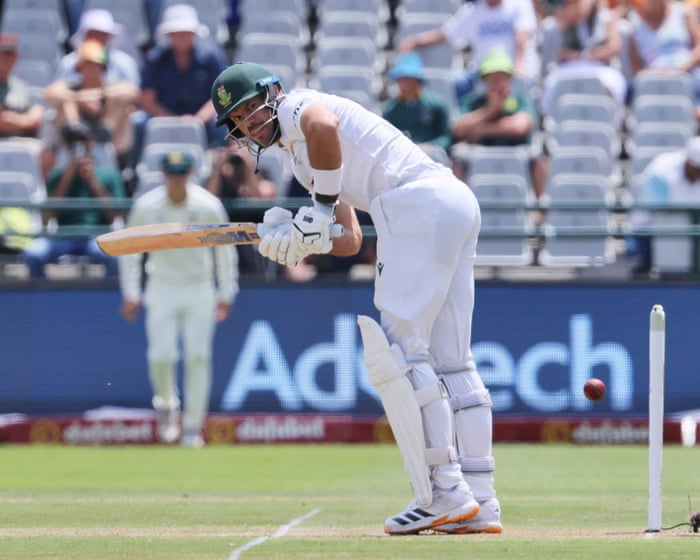
As summer fixtures continue to evolve, fluctuating attendances remain a persistent challenge for sports boards managing multi-format international calendars, as seen in recent high-stakes encounters like our coverage of the South Africa v Australia: third men’s cricket Test, day one – live.
Understanding the Broader Economic Pressures
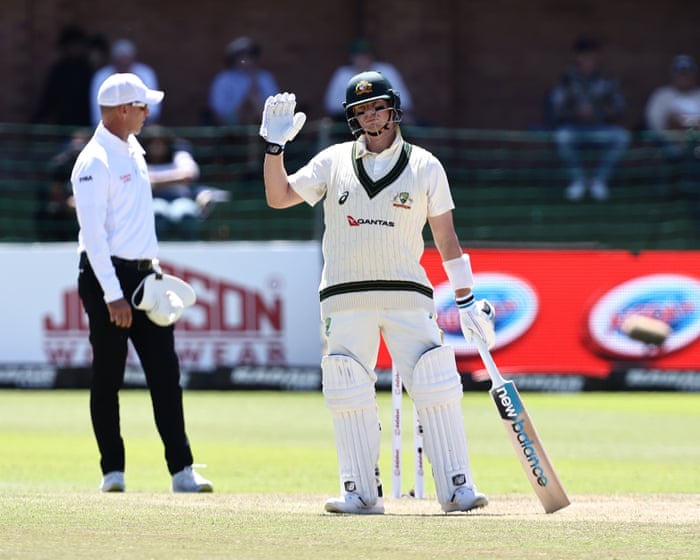
Context: These figures highlight the vulnerability of national sports bodies that rely heavily on a small handful of high-profile blockbusters to fund grassroots programs and year-round domestic operations. When marquee fixtures wrap up prematurely, the immediate loss of catering, merchandise, and daily ticket sales creates an outsized ripple effect across the sport's entire domestic ecosystem. Teams also face internal pressure to maintain squad competitiveness without cutting development budgets, a delicate balancing act that often forces selectors to rely on seasoned personnel, much like when selectors manage key player workloads during intense schedules as detailed in our report on how Australia fight back to keep Cummins out of unwanted club... for now.
Outlook and Future Fixes
Context: Observers will be closely monitoring how Cricket Australia restructures future international calendars to offset these looming budget shortfalls. Securing alternative revenue streams or renegotiating upcoming broadcast rights agreements will likely become immediate priorities for executives trying to mitigate the projected losses over the next two fiscal cycles.
Sources: Sport | The Guardian