Faced with a mounting emergency across its residential care facilities, the UK government is turning its attention to Scandinavia to overhaul how vulnerable youth are supported. UK children’s minister Josh MacAlister recently journeyed to Copenhagen to examine Danish residential facilities, according to World news | The Guardian. The visit comes as England grapples with severe capacity shortages, skyrocketing placement costs, and a heavy reliance on profit-driven providers that have left the domestic care infrastructure severely strained.
Inside the Danish Care Model
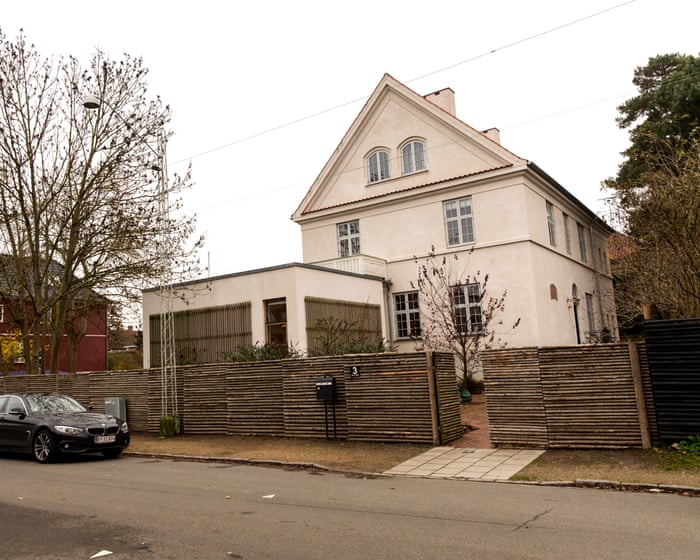
The Danish approach diverges sharply from the current British reality by prioritizing small, community-integrated environments over institutional settings. On the outskirts of Copenhagen, a typical residential facility operates out of a large white house hidden behind a purple-leaved plum tree, housing just a small handful of teenagers. According to the report, these Danish homes employ highly trained educators who focus on relational stability rather than behavioral containment. While British local authorities frequently struggle to find any suitable placement—sometimes resulting in children being housed miles away from their home communities—the Danish model integrates youth into standard neighborhoods with robust professional backing.
Why This Matters
This policy exploration touches on a broader systemic failure that affects thousands of vulnerable minors and stretches local authority budgets to a breaking point. When the state fails to provide stable housing, young people often experience repeated placement breakdowns, leading to poor educational outcomes and heightened risks of criminal exploitation. The stakes extend far beyond administrative efficiency; they center on whether public policy can rescue a broken system that currently enriches private equity firms while letting down the very individuals it is mandated to protect. Similar structural policy failures can be observed in other essential domestic sectors, such as how Britain’s housing crisis won’t be fixed without a new tax landscape, highlighting the deep challenges facing public infrastructure in the UK today.
What to Watch
Observers will be monitoring whether MacAlister’s department translates these Scandinavian observations into concrete legislative reforms or funding overhauls in upcoming policy papers. Key indicators of success will include whether the government moves to restrict profit-making in children's social care and if local councils receive the necessary capital to build smaller, localized residential units.
Sources: World news | The Guardian