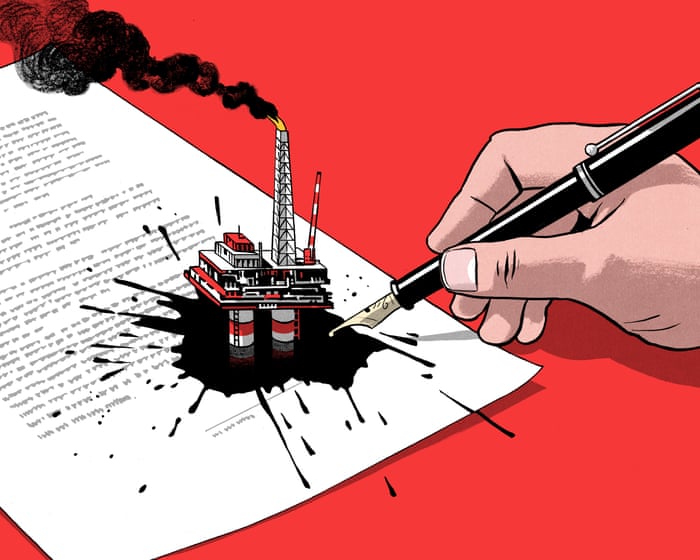
An extraordinary heatwave sweeping across Europe this summer resulted in a staggering loss of life, according to a recent scientific analysis. Data highlighted by NPR Topics: World reveals that extreme temperatures contributed to more than 50,000 fatalities across the continent during the warmer months. Researchers investigating the crisis concluded that anthropogenic global warming was directly responsible for nearly two-thirds of these mortality figures.
The Human Cost of Record Temperatures
The staggering figures underscore a mounting public health crisis tied to shifting weather patterns. According to the report, blistering, record-breaking heat battered various regions, overwhelming local health infrastructure and leaving vulnerable populations exposed. While summer warmth is common across the continent, the intensity and duration of the recent months pushed environmental conditions past historical thresholds.
Scientific attribution models utilized in the study isolate the influence of human-induced greenhouse gas emissions from natural climate variability. The findings indicate that without industrial activity warming the planet, a substantial portion of these fatalities would not have occurred.
Broader European Pressures
This environmental emergency compounds existing socioeconomic challenges already straining the continent. As governments grapple with ecological strain, populations face compounding difficulties, including how some of Europe's highest energy costs are expected in Britain this winter, which could further complicate household resilience during seasonal transitions.
European geography has long experienced diverse weather regimes, but recent decades have confirmed a rapid warming trend that outpaces the global average. Urban centers, characterized by concrete infrastructure that traps heat, have become acute danger zones during prolonged meteorological events.
Analysis: Why This Matters
Context: The staggering death toll highlights the immediate, lethal consequences of environmental degradation on human populations, transforming climate discussions from abstract future projections into urgent present-day emergencies. Healthcare systems, urban planners, and policy architects are forced to reckon with infrastructure that was never engineered for sustained, high-intensity thermal stress. Vulnerable demographics, particularly the elderly and outdoor laborers, bear the brunt of these shifts, exposing deep societal inequalities in heat resilience.
What to watch: Observers should monitor upcoming policy adjustments from continental health ministries, specifically regarding mandatory heat-action plans and early-warning systems designed to protect urban residents ahead of future seasonal spikes.
Sources: NPR Topics: World