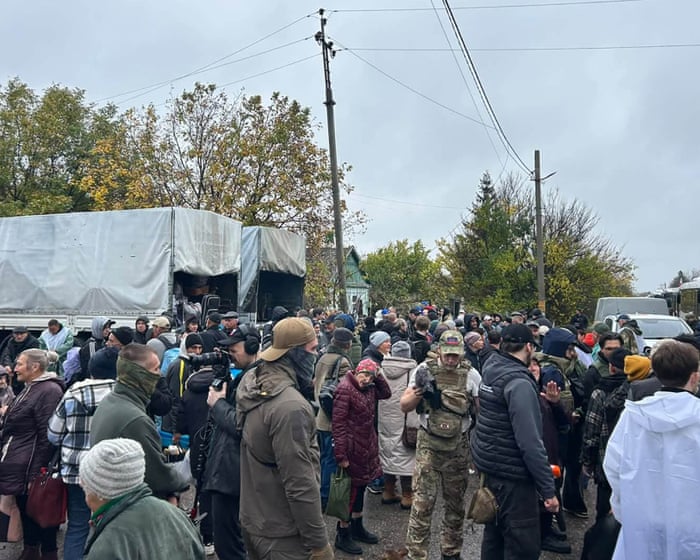
Exhausted civilians from a heavily damaged city in a Russian-occupied region of Ukraine, where desperate locals were reduced to eating weeds to survive, have successfully arrived on Ukrainian-controlled territory, according to BBC News. The departures took place on Friday, bringing a fraction of the trapped population out of severe isolation.
The exit of these individuals was made possible by a temporary halt in fighting arranged through diplomatic efforts led by United States First Lady Melania Trump, the report states. For months, communities trapped behind Russian lines have faced extreme shortages of basic supplies, compelling residents to forage for wild plants just to stay alive amid ongoing bombardment and infrastructural collapse. Detailed accounts of the dire conditions and the initial exodus are chronicled in our previous coverage of how residents leave devastated Russian-occupied Oleshky as evacuation corridor opens.
Humanitarian Impact and Stakes
While the safe arrival of the evacuees offers a momentary humanitarian breakthrough, the broader crisis along the frontlines remains profoundly unstable. Similar regional tensions and temporary lulls often leave vulnerable populations anxious about their long-term safety, a dynamic explored further in our report detailing 'The city is alive': A brief peace in Kherson, but residents fear what comes next. Observers note that safe corridors are frequently fragile, depending entirely on localized ceasefires that can collapse without warning.
Context and Outlook
Diplomatic interventions spearheaded by high-profile figures carry significant symbolic weight, yet translating temporary truces into sustained humanitarian access remains an immense challenge. Aid organizations emphasize that hundreds of thousands of civilians trapped in occupied zones still lack consistent access to food, clean water, and medical care, highlighting the immense scale of need across the region.
What to watch: Analysts will be monitoring whether this brokered pause in hostilities leads to broader, institutionalized evacuation routes or remains an isolated incident. Observers will also watch for any official diplomatic follow-up from Washington or international relief agencies regarding the expansion of safe corridors.
Sources: BBC News