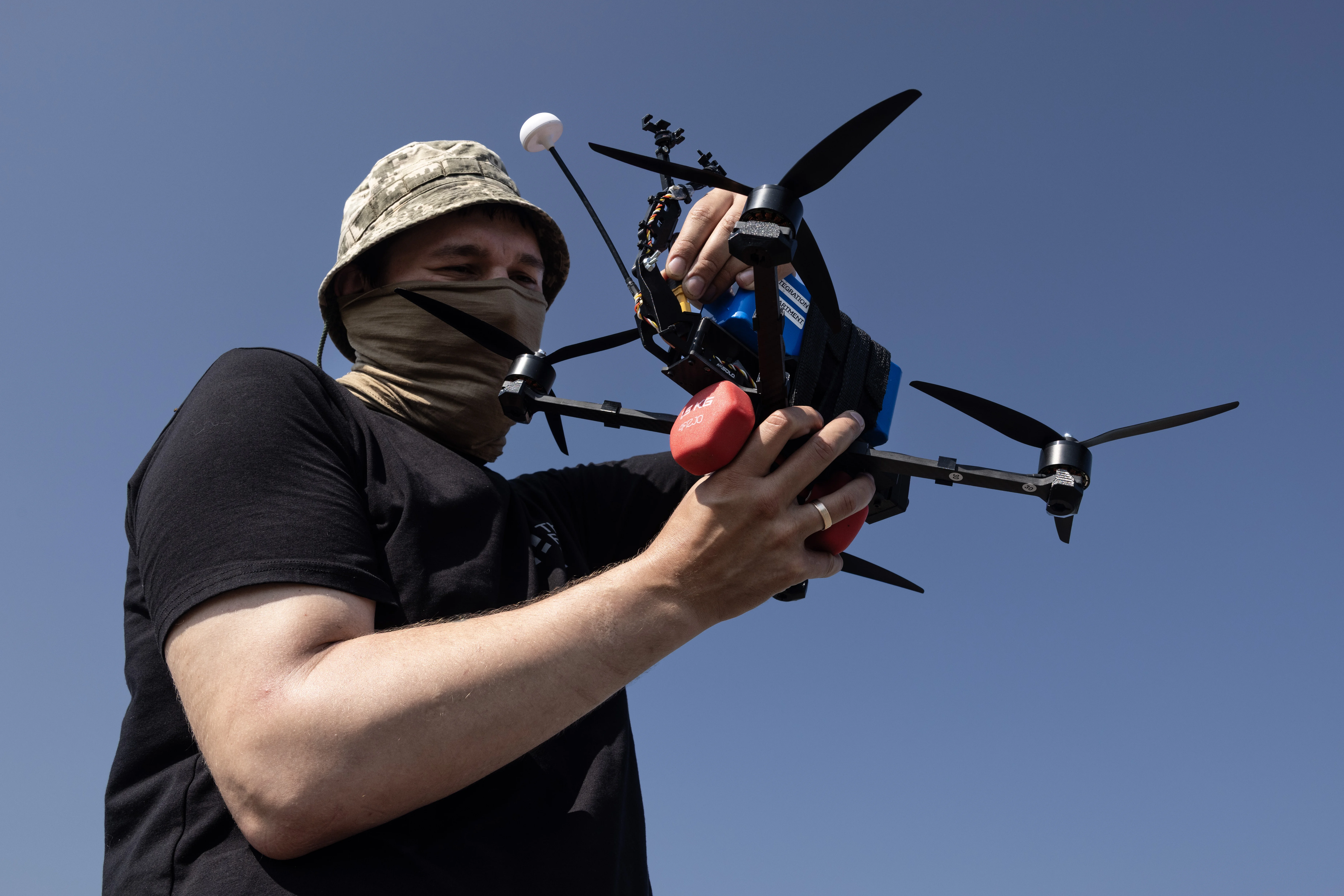
Artificial intelligence is rapidly transforming aerial combat in Eastern Europe, pushing unmanned aerial vehicles to become faster and significantly more capable, according to NPR Topics: World. Both Russian and Ukrainian military forces are actively deploying these intelligent systems on the front lines. The accelerating integration of machine learning into military hardware marks a major shift in how modern conflicts are fought, raising urgent questions about automation in combat zones.
Battlefield Automation on the Horizon
According to the report, Ukrainian President Volodymyr Zelenskyy has issued a stark warning regarding the pace of technological advancement. He stated that artificial intelligence could begin making independent tactical decisions on the battlefield as soon as next year. This projection highlights a swift transition from human-guided remote piloting to autonomous machine processing in active combat operations. As the technology evolves, both warring nations continue to adapt their arsenals to maintain tactical advantages, occasionally impacting localized stability efforts such as the recent ceasefire extended across Ukraine's Kherson region.
The rapid militarization of artificial intelligence mirrors historical periods where rapid industrial or technological leaps redefined military doctrine almost overnight. While early unmanned systems relied entirely on constant human oversight, modern software allows machines to identify targets and navigate electronic interference without direct operator commands. This shift reduces the vulnerability of units to signal jamming, though it introduces profound ethical dilemmas regarding lethal autonomy.
Why This Matters
Context: The shift toward autonomous warfare affects millions of civilians and soldiers caught in the conflict zone, fundamentally altering the calculus of survival on the front lines. When machines begin processing target acquisition and tactical maneuvers at algorithmic speeds, the window for human intervention or de-escalation shrinks dramatically. This technological race also threatens regional diplomatic breakthroughs, complicating fragile arrangements like the Ukraine-Russia truce in Oleshky by introducing unpredictable autonomous elements that defy traditional command structures.
What to Watch
Context: Observers should monitor whether international bodies or allied nations introduce new export controls on advanced microchips and neural-processing hardware destined for the region. Additionally, military analysts will be watching for concrete proof of fully autonomous strikes, which would confirm President Zelenskyy's timeline and likely trigger renewed global debates on the ethics of machine-led combat.
Sources: NPR Topics: World