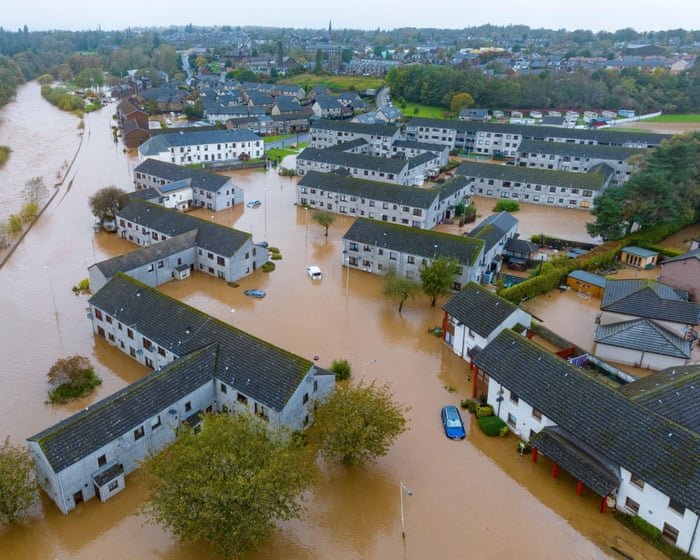
Insurers are taking on more risk than they should. If – or when – a major disaster hits, the catastrophe will have far-reaching consequences I work for a major insurer, assessing the risk posed by natural disasters on properties around the world, from family homes to schools, government offices and multibillion-dollar commercial centres.
Also readDiesel squeeze expected to continue into 2027 despite Trump’s deal with Russia – business live
The world is facing greater risk than ever from extreme weather. We are not prepared – and that inaction could have profound consequences for the global financial system. In the face of ever more extreme and unpredictable climate risks, I am coming under pressure to cut my forecasts for the losses that disasters will cause in order to make insurance more affordable – and get my employer more business.
In some instances, the questioning of our numbers and models is justified. But too often, it is not being done to produce more accurate models, but to artificially lower prices. If this is happening at my firm, which is struggling to compete with rivals’ prices, it’s happening elsewhere.
Also readWayfair among firms fined millions for misleading sales tactics
The writer is a modeller working in the insurance industry. A version of this piece originally appeared with the Bureau of Investigative Journalism as part of their Secret Source series , a regular column featuring industry whistleblowers Continue reading...