A widespread digital intrusion has disabled refrigeration units in dozens of commercial storefronts throughout multiple European nations, according to a report by BBC News. The security breach targeted the temperature control systems of supermarket cooling equipment, resulting in widespread food spoilage across the affected retail locations.
While the exact mechanics of the breach remain under investigation, the incident highlights a growing vulnerability in the interconnected hardware used by modern retail chains. Smart appliances and commercial Internet of Things devices have increasingly become targets for malicious actors seeking to disrupt daily operations.
## The Expanding Threat to Commercial Infrastructure
According to the BBC News report, the malicious campaign successfully compromised store equipment across international borders, leaving business owners to deal with significant inventory losses. The deliberate manipulation of commercial refrigeration units demonstrates how physical retail infrastructure can be disabled remotely when connected to standard networks.
This disruption follows a fresh wave of cyberattacks that has hit Europe’s supermarket refrigerators, destroying food across countries, indicating that retail supply chains face persistent and coordinated digital threats. Security analysts note that many commercial facilities rely on legacy software or default administrative passwords, making them easy targets for automated malware or targeted intrusion attempts.
## Why This Matters
As modern retail operations become heavily reliant on automated climate control and inventory tracking, the stakes for physical security have shifted toward digital defenses. When remote attackers can manipulate basic hardware like supermarket refrigerators, the financial toll on small and large businesses alike can be immediate and severe. Beyond the direct cost of spoiled goods, these incidents expose how vulnerabilities in commercial IoT devices can compromise public trust in food supply logistics and essential retail services.
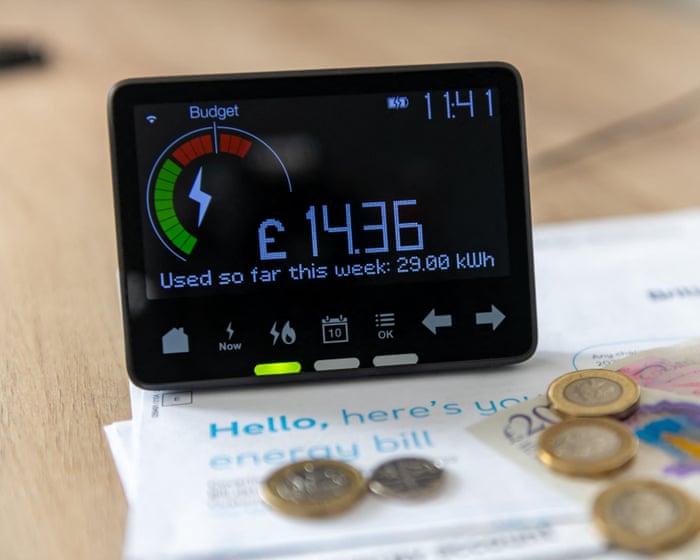
Industry observers also point to parallels in other sectors, such as the digital risks surrounding critical national infrastructure like the control of Britain’s 39m smart meters passed to a non-profit startup, which highlight the massive scale of connected devices potentially open to interference. As more physical machinery gets wired into centralized management networks, the potential surface area for disruptive attacks grows exponentially.
## What to Watch
Security researchers will be closely monitoring whether the perpetrators behind the European grocery store attacks issue ransom demands or if the incident was purely designed to cause operational chaos. Investigators are expected to release further technical details regarding the specific vulnerabilities exploited in the cooling systems, which could prompt regulatory bodies to impose stricter cybersecurity standards on commercial appliance manufacturers.
Sources: BBC News