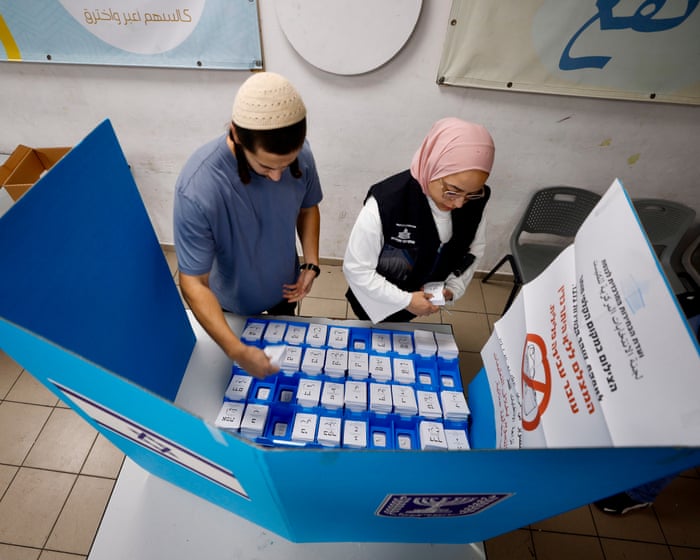
Voting is officially underway across Israel today in what has been described as the most consequential election in the nation's history, according to World news | The Guardian. Citizens are casting their ballots amid extreme political tensions and strict security measures. Recent polling indicates that the governing coalition led by Prime Minister Benjamin Netanyahu is on track to lose its parliamentary majority, according to the report.
Security forces faced an immediate threat outside the polling period when a suspected stabbing attempt targeting Democrats' leader Yair Golan was successfully foiled, the publication states. The incident underscores the volatile atmosphere surrounding the vote. Officials have deployed heightened security nationwide to protect voters and candidates alike.
The Stakes of a Historic Vote
This political showdown arrives at a critical juncture for the nation's domestic and foreign policy, carrying immense implications for the region and its international allies. As citizens weigh their options, the outcome could radically reshape governance and alter diplomatic trajectories for years to come. Analysts point out that a shift in power would directly impact ongoing regional conflicts and redefine the country's strategic partnerships. Readers seeking deeper analysis can examine why Israel's election is one of the most important in its history to understand the domestic pressures driving voters to the polls. Furthermore, the future of military engagements and international relations hangs in the balance, as detailed in our coverage on what does Israel's election mean for Gaza and the wider world.
What to Watch Next
As polling stations close, attention will shift rapidly toward preliminary exit polls and early vote counts to gauge whether Netanyahu's coalition will indeed be unseated. Observers will be closely monitoring coalition-building negotiations, which are expected to be protracted and complex given the fractured nature of the parliament. International partners will also be watching intently to see how the new leadership composition approaches stalled diplomatic efforts and regional stability.
Sources: World news | The Guardian