The British government is facing mounting pressure to address a projected funding gap in its international development budget. According to World news | The Guardian, official forecasts indicate the United Kingdom is on track to miss its goal of allocating 0.3% of national income to overseas assistance by the end of next year. The report states that this trajectory will leave a deficit estimated at £400m.
Budget Pressures and Funding Targets
The shortfall highlights ongoing fiscal challenges surrounding the administration's financial commitments. While official development assistance remains a cornerstone of the nation's foreign policy framework, the new projections suggest current spending levels fall short of the established threshold. As ministers prepare their financial strategies, policymakers are evaluating how the government might balance domestic fiscal constraints against international obligations. Struggling to meet the 0.3% benchmark could force difficult decisions ahead of upcoming fiscal announcements, prompting discussions on four ways Labour could raise money in the budget without hiking income tax to cover various state commitments.
Analytical Perspective: Why This Matters
(Context: This analysis is provided for background and does not represent independently verified facts.)
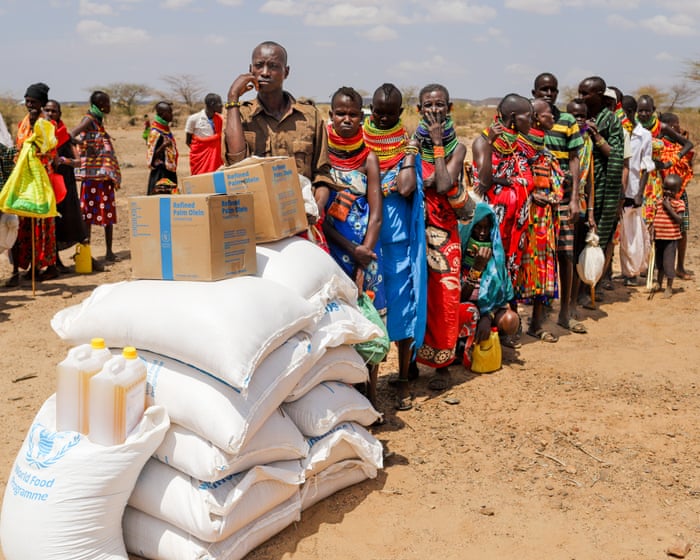
The debate over foreign assistance spending touches on core questions of Britain's soft power and humanitarian commitments on the global stage. For international NGOs and partner nations, reductions in funding can translate directly to scaled-back healthcare initiatives, crisis relief, and developmental programs in vulnerable regions. Meanwhile, domestic critics often argue that tighter economic conditions at home necessitate prioritizing local public services over international aid budgets. Balancing these competing pressures remains a persistent political tightrope for the government.
What to Watch Next
(Context: Potential developments to monitor based on current trajectories.)
Observers will be closely watching upcoming fiscal statements from the Treasury to see if Chancellor Reeves or other officials announce adjustments to overseas spending allocations. Any policy shifts regarding the 0.3% target could signal a broader recalibration of Britain's foreign aid strategy for the remainder of the parliamentary term.
Sources: World news | The Guardian