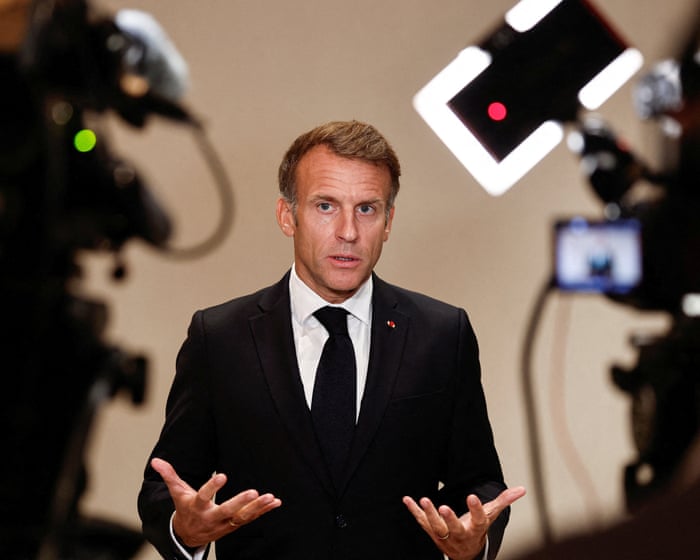
French President Emmanuel Macron has forcefully condemned external commentary regarding ongoing unrest within his country, labeling outside remarks from foreign leaders as both "unacceptable" and "stupid," according to World news | The Guardian. Speaking out against what he termed a clear attempt to manipulate facts, Macron expressed deep frustration with the widespread distortion of information surrounding the domestic protests unfolding in France.
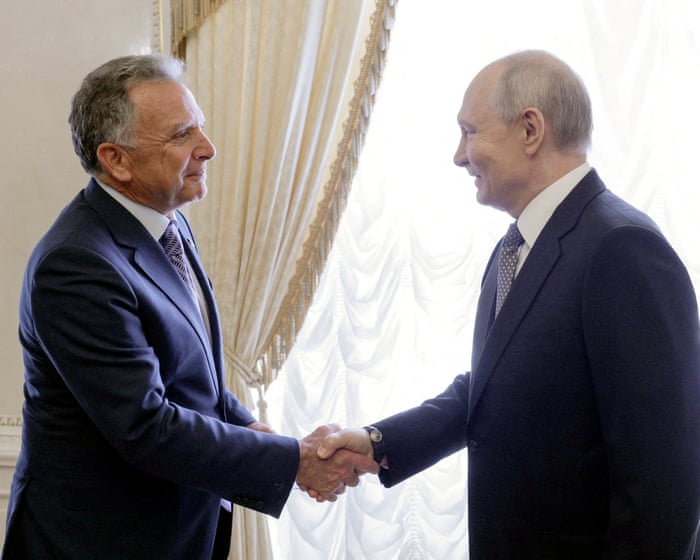
The French leader's sharp rebuke arrives as international attention remains heavily fractured across multiple concurrent geopolitical flashpoints. While European capitals grapple with internal civil demonstrations and the public fallout from foreign leaders weighing in, diplomatic channels elsewhere are actively shifting. Notably, these tensions run parallel to high-level diplomatic maneuvers involving the United States and Russia, which include recent discussions in St Petersburg as well as developments concerning detained American citizens. For more details on these concurrent diplomatic tracks, readers can review our coverage on how the US citizen Stephen Hubbard freed by Russia as Trump envoy meets Putin.
Diplomatic Friction and Domestic Unrest
According to the report from The Guardian, the French president's frustration centers squarely on the visible manipulation of narrative and facts by figures outside France. By characterizing foreign commentary on French street protests as careless and unjustifiable, Macron is pushing back against external actors who seek to weaponize domestic European instability for their own strategic messaging. This friction underscores the delicate nature of cross-border relations within the West, where public statements from allied nations can rapidly inflame local political sensitivities.
Historically, European nations have navigated complex internal protests while attempting to maintain a unified diplomatic front against external pressures. However, the modern information environment allows foreign leaders to instantly amplify fringe narratives, complicating how local governments manage domestic civil disobedience.
Why This Matters
This public rebuke highlights the growing vulnerability of democratic states to information warfare and cross-border political interference during domestic crises. When foreign leaders openly critique or mischaracterize internal security events, it deepens polarization, undermines institutional trust, and complicates bilateral alliances. For everyday citizens and policymakers alike, the stakes involve the integrity of national sovereignty and the challenge of maintaining factual consensus when foreign actors actively promote distorted accounts of local unrest.
What to Watch
Observers will monitor whether European capitals issue formal diplomatic reprimands or if bilateral talks between France and the involved nations experience lingering chill effects. Future public appearances by Macron will also reveal if Paris intends to escalate its pushback against foreign commentators exploiting domestic demonstrations.
Sources: World news | The Guardian