According to the White House, former U.S. First Lady Melania Trump has successfully negotiated a localized ceasefire to save a beleaguered Ukrainian municipality from total collapse. The administration stated that the diplomatic intervention targeted the Russian-occupied city of Oleshky, a settlement described by officials as teetering on the edge of a catastrophe.
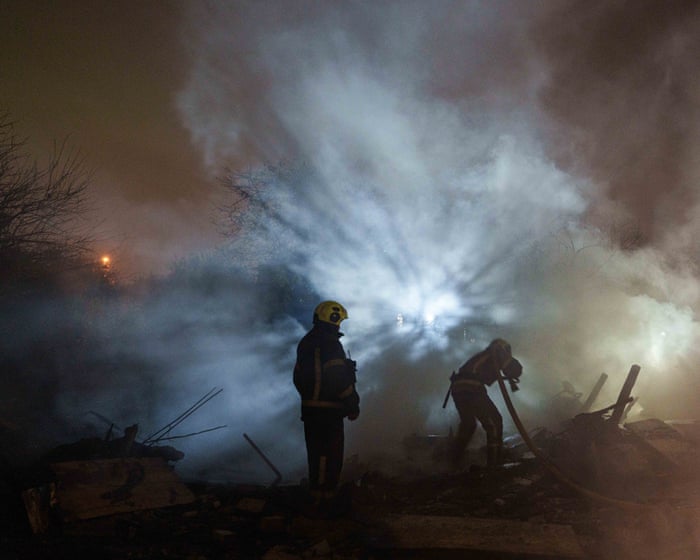
Humanitarian Crisis in Occupied Territory
The situation inside the Russian-held zone had deteriorated to extreme levels prior to the reported agreement. According to the BBC News report, local inhabitants trapped within the area were reduced to consuming garden weeds simply to stay alive. Despite the gravity of the White House announcement regarding the humanitarian rescue, neither the government in Kyiv nor Moscow has officially verified or confirmed that a truce has actually taken effect in the region.
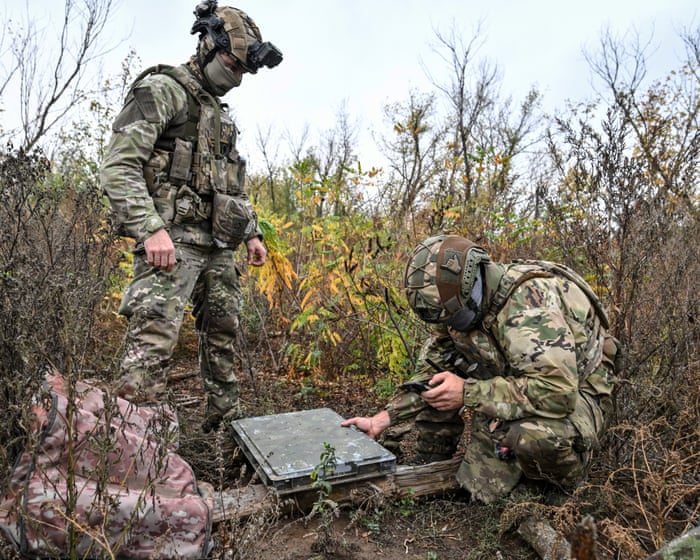
This diplomatic push intersects with ongoing military and technological friction across the front lines. Communication infrastructure remains a persistent vulnerability for defenders, as highlighted by reports that Ukraine troops report continuing Starlink problems despite Trump claims. These disruptions continue to complicate tactical operations even as Washington pursues high-level diplomatic channels.
Analyzing the Diplomatic Stakes
Context: While humanitarian interventions are ostensibly designed to alleviate civilian suffering, unverified localized truces often serve complex political signaling purposes for all parties involved. For the local population, the immediate stakes are literal survival against starvation and exposure in a heavily contested combat zone. For international observers, evaluating the true effectiveness of such back-channel mediation remains difficult when primary belligerents refuse to corroborate the terms.
What to watch: Observers will monitor whether independent aid agencies gain verifiable access to the municipality to deliver provisions, and whether either Kyiv or Moscow eventually issues formal statements acknowledging the arrangement.
Diplomatic initiatives by figures outside traditional state machinery often spark intense debate over foreign policy execution. Concerns regarding shifting alliances and unilateral overtures have been a recurring theme, drawing comparisons to broader strategic debates such as those outlined by Former U.S. Ambassador to Ukraine William Taylor on Trump's embrace of Russia. As the conflict grinds forward, the intersection of unofficial diplomacy and on-the-ground realities will remain a critical variable.
Sources: BBC News