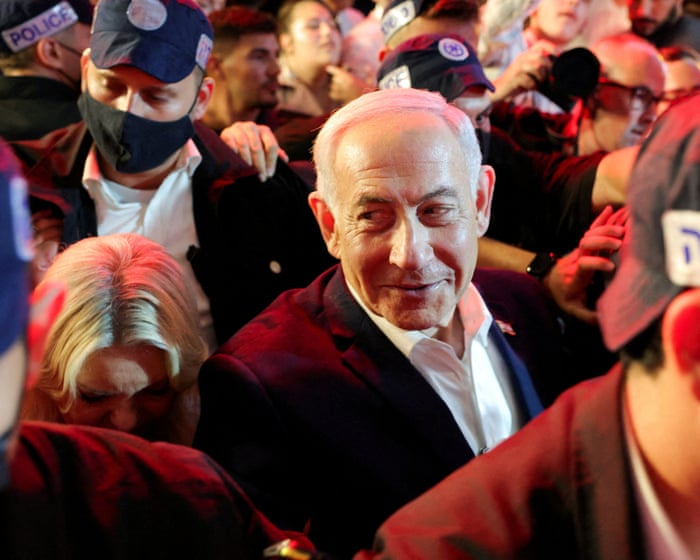
Israeli Prime Minister Benjamin Netanyahu has allegedly pushed top military commanders to launch a direct attack against Iran, ramping up aggressive public messaging as political support dwindles ahead of an upcoming vote, according to reporting by World news | The Guardian.
Political Pressure and Escalating Rhetoric
The mounting pressure on defense officials coincides with a difficult electoral outlook for the sitting administration. According to the report states, Netanyahu's far-right coalition is currently trailing narrowly in public opinion polls. Facing the prospect of losing power, the prime minister has adopted sharply alarmist language while allegedly demanding that the Israel Defense Forces prepare for offensive operations against Iranian targets. Critics and political observers suggest the timing of these aggressive security demands points to a strategic effort to shift national priorities and rally a divided electorate before ballots are cast.
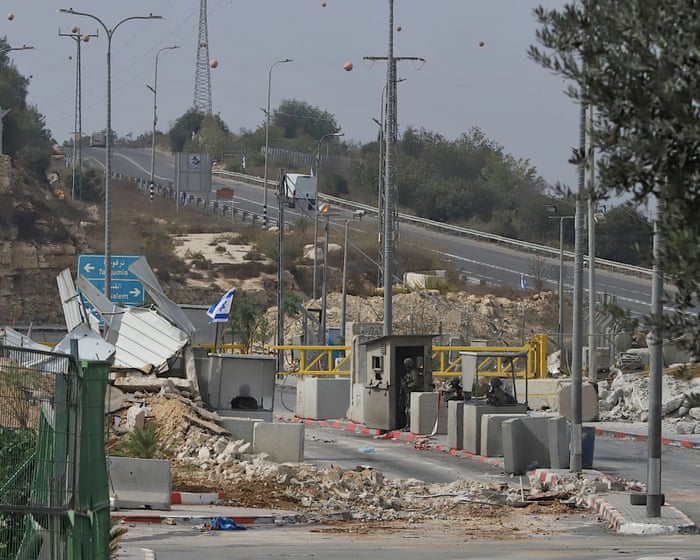
Tensions between civilian leadership and defense chiefs are not new in the region, where military strategy often intersects with volatile domestic politics. Broader regional stability remains fragile as international diplomats attempt to manage ongoing flashpoints, such as when a high-level delegation in Iran in push to avert flare-up of conflict with US visited Tehran to prevent wider escalation. Meanwhile, domestic fallout from security operations continues to displace local populations, mirroring situations seen elsewhere, including where nearly 2,000 Palestinians in Hebron displaced as Israeli forces take over homes amid expanding military control.
Why This Matters
When domestic political survival becomes entangled with military decision-making, the threshold for regional war lowers dangerously. This dynamic directly affects millions of civilians across the Middle East who bear the immediate humanitarian and economic costs of sudden escalations. For international allies, navigating an unpredictable ally seeking to influence election outcomes through foreign conflict creates severe diplomatic dilemmas.
What to Watch
Observers will monitor polling numbers in the coming days to see if the rhetoric successfully shifts voter momentum. Any unusual movements or heightened alert levels within the military command structure will also signal whether political directives are translating into operational reality.
Sources: World news | The Guardian