British corporations listed on stock exchanges have hit a two-year high in profit warnings, according to a recent report from Business | The Guardian. The consultancy-tracked data reveals that firms quoted on the London market issued 65 warnings during the three months leading up to the end of September. This sharp increase stems directly from the escalating conflict in the Middle East, which has sparked a dramatic surge in operational expenses for businesses across the country.
Escalating Conflict Triggers Corporate Strain
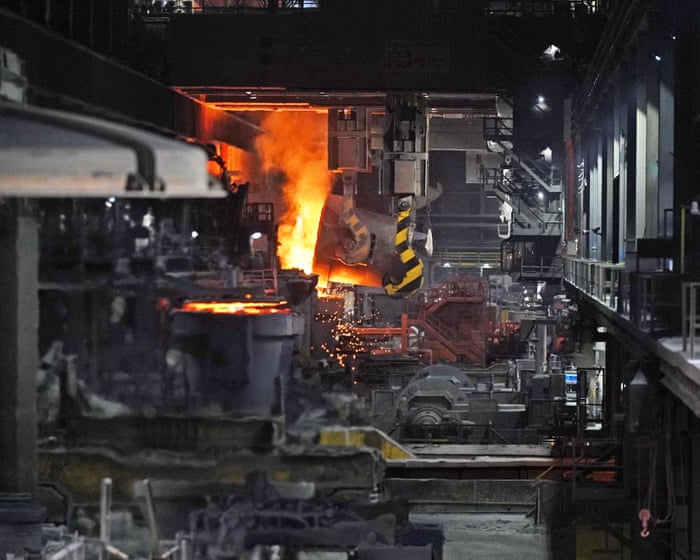
The mounting financial pressure on British enterprises is largely driven by external geopolitical shocks, as the war involving Iran pushes operational expenses upward. According to the report, corporate leaders are struggling to absorb the sudden escalation in overhead, forcing them to adjust their financial forecasts downward. These developments echo broader industrial struggles across the nation, similar to how high electricity costs put UK steelmakers in worst position in three years against EU rivals, compounding the manufacturing sector's woes.
The Broader Economic Context
Corporate profit warnings serve as an early indicator of wider economic distress, signaling potential contractions in business investment and employment stability. When supply chains face severe disruption and energy or shipping expenses spike due to international conflicts, companies frequently find their profit margins squeezed before they can successfully pass those expenses on to consumers.
(Context: Profit warnings are formal announcements made by publicly traded companies to inform shareholders that their financial results will fall short of previous expectations. These alerts typically trigger an immediate sell-off in a company's shares as investors reevaluate its market value.)
Why This Matters
This spike in financial alerts affects everyday workers, investors, and the stability of domestic pension funds heavily invested in London-listed equities. When major corporations repeatedly downgrade their earnings, it dampens market confidence, curtails hiring initiatives, and limits corporate spending on vital infrastructure. The compounding effect of soaring overheads and fragile market demand places intense pressure on executive boards to restructure operations rapidly to avoid deeper financial distress.
What to Watch
Observers will monitor whether the conflict in the Middle East continues to escalate, which would likely sustain upward pressure on global energy and transport expenses. Market analysts will also scrutinize upcoming quarterly corporate earnings reports to see which specific sectors are absorbing the heaviest losses and whether further downward revisions to financial forecasts are forthcoming.
Sources: Business | The Guardian