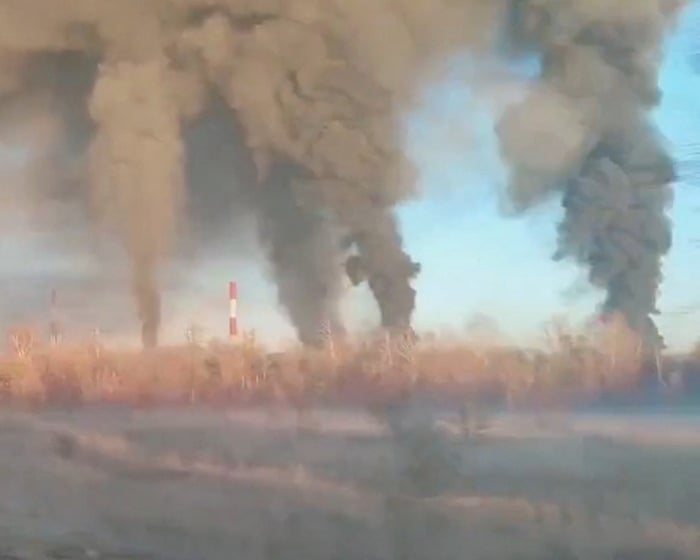
Thousands of residents in Ukraine have been left without electricity following a fresh barrage of Russian military strikes, according to a report by BBC News. The attacks target critical infrastructure across the region, arriving immediately after the conclusion of a localized agreement that had paused hostilities to permit civilian evacuations.
The End of the Oleshky Ceasefire
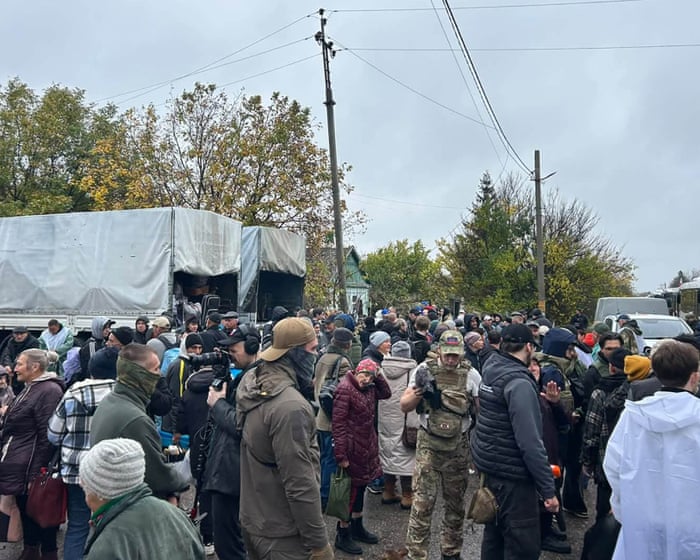
The renewed violence follows the expiration of a rare humanitarian ceasefire in the Russian-occupied city of Oleshky, the BBC reports. This temporary halt in fighting had previously enabled vulnerable civilians to escape the contested urban area safely. However, with the pause now officially concluded, military operations have resumed aggressively, culminating in widespread power outages that threaten heating and utility access for local populations as winter approaches.
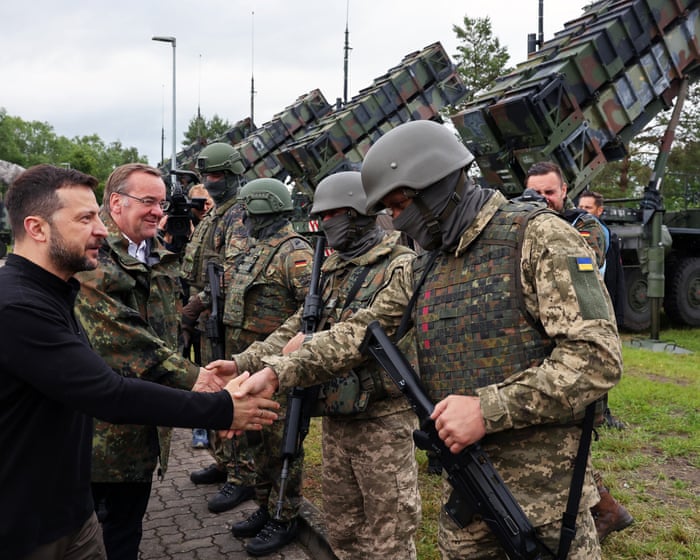
The immediate resumption of hostilities underscores the fragility of localized truces in the ongoing conflict. As documented in our previous reporting on how the ceasefire in Russian-occupied Oleshky unfolded, these temporary humanitarian corridors often provide only brief reprieves before heavy combat resumes. Meanwhile, broader strategic frictions continue to shape the theatre of war, including instances where Ukraine defies Trump to resume attacks on Russian oil refineries in an effort to disrupt Moscow's supply chains.
Context and Stakes
(Context: Energy infrastructure has frequently served as a primary target in the conflict, compounding humanitarian hardships for civilians residing near frontline zones. The deliberate targeting of power grids typically aims to degrade civilian morale and complicate military logistics, leaving millions vulnerable to severe weather conditions and acute shortages of basic services.)
Why This Matters
The latest escalation directly impacts regional stability and civilian safety, exacerbating a humanitarian emergency that heavily strains municipal repair crews and emergency responders. As power grids fail under sustained bombardment, humanitarian organizations face immense hurdles in delivering aid and restoring essential services to displaced families.
What to Watch
Observers will be monitoring whether local authorities can safely initiate emergency repairs on the damaged electrical grid or if subsequent aerial bombardments will trigger further blackouts across adjacent districts.
Sources: BBC News