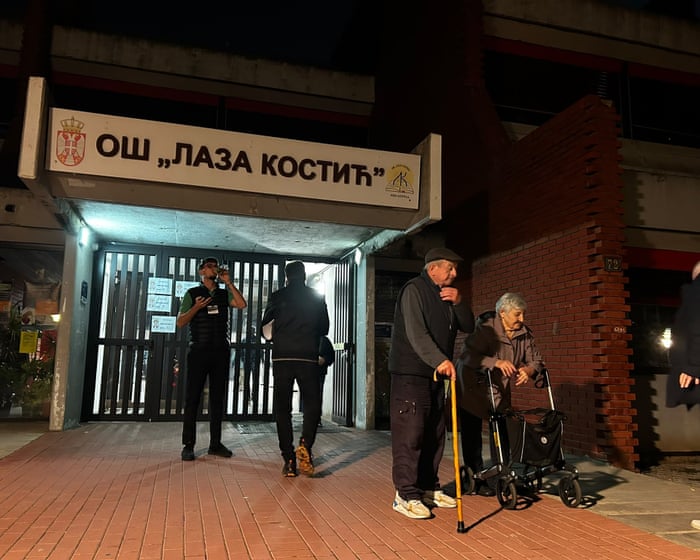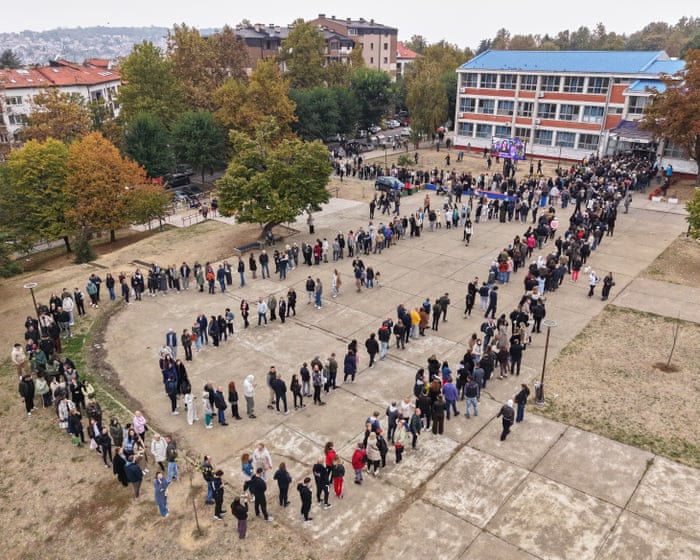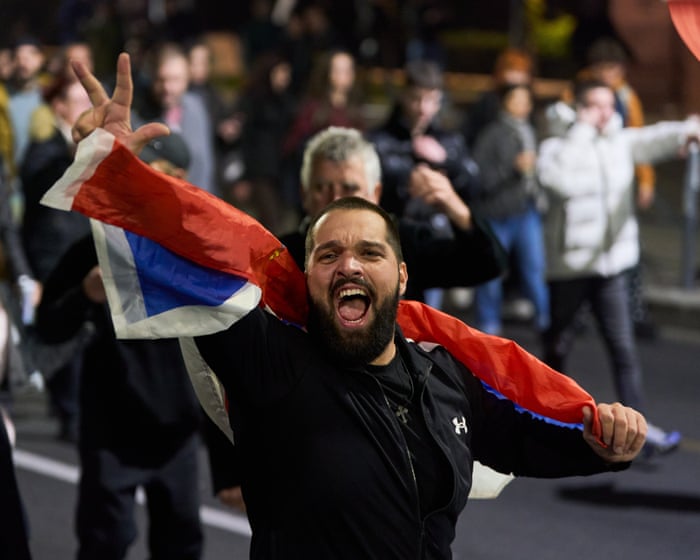
Serbia is entering an uncharted political chapter following a seismic election outcome that swept the country's longtime leadership from power, according to World news | The Guardian. The turbulent vote, driven forward by a determined student movement, has abruptly ended the era of authoritarian governance under veteran ruler Aleksandar Vučić. As the dust settles across the Balkan nation, international observers and citizens alike are processing a sudden transformation that caught political analysts off guard.
Shifting Alliances and International Reactions
The stunning defeat has immediately sparked optimism regarding a potential diplomatic reset between Belgrade and Western capitals. According to the report, foreign partners and European Union officials are eyeing the political transition as a long-awaited opportunity to mend strained bilateral ties. For years, critics accused the administration of democratic backsliding and deepening friction with Brussels. As details of the ballot count emerge, international monitors are preparing formal briefings to assess the integrity and conduct of the historic poll, which follows months of escalating tension highlighted in our earlier coverage of European student protests take aim at Serbia's elections.
Background and Regional Dynamics
Serbia has long balanced its formal aspiration for European Union membership with deep-rooted historical ties to Russia and complex regional disputes in the Western Balkans. The rise of grassroots youth activism mirrors similar civic mobilizations across Eastern Europe, where younger generations have increasingly challenged entrenched political establishments over corruption, rule of law, and economic stagnation.
Why This Matters
This political upheaval carries profound implications for the stability of the entire Western Balkans region. For ordinary citizens, the ouster of Vučić—whose departure from power was previously charted in our analysis of how Serbia's veteran ruler Vučić concedes election to student-led protest movement—represents a chance to dismantle systemic corruption and rebuild fractured democratic institutions. Regional neighbors and EU leaders stand to gain a more predictable, cooperation-minded partner in Belgrade, provided the incoming administration successfully navigates the fragile transition without triggering domestic unrest.
What to Watch
Observers will closely monitor the upcoming assessments from international election monitoring delegations to gauge the fairness of the vote. Attention will also turn to how the newly empowered student coalitions and opposition groups form a cohesive governing coalition capable of steering the country.
Sources: World news | The Guardian