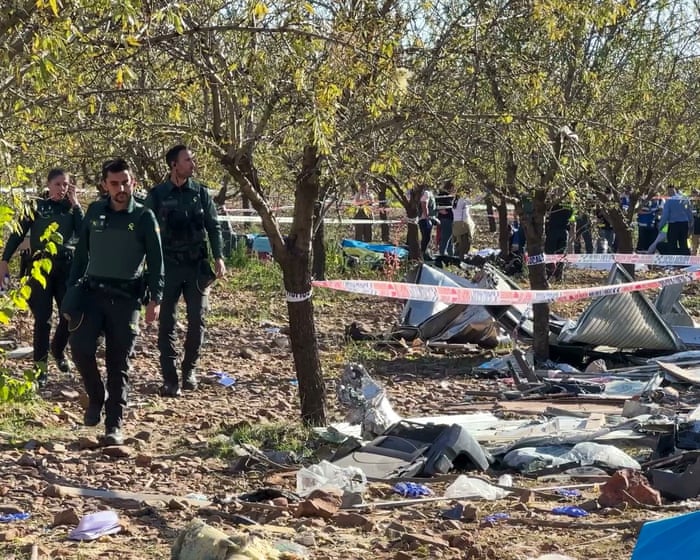
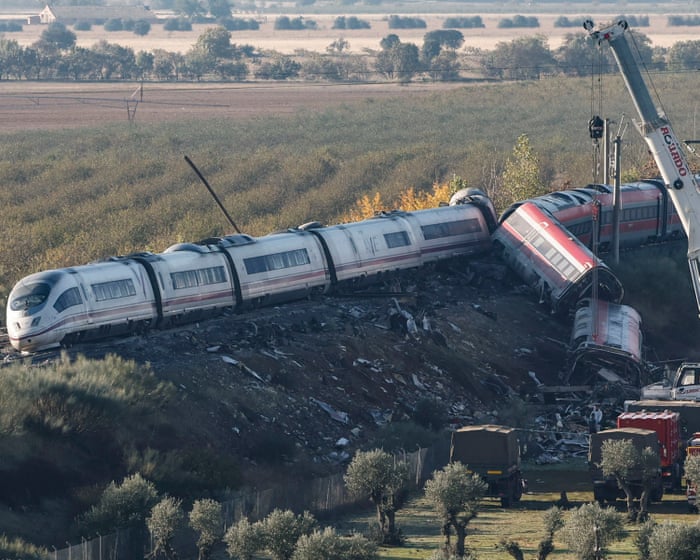
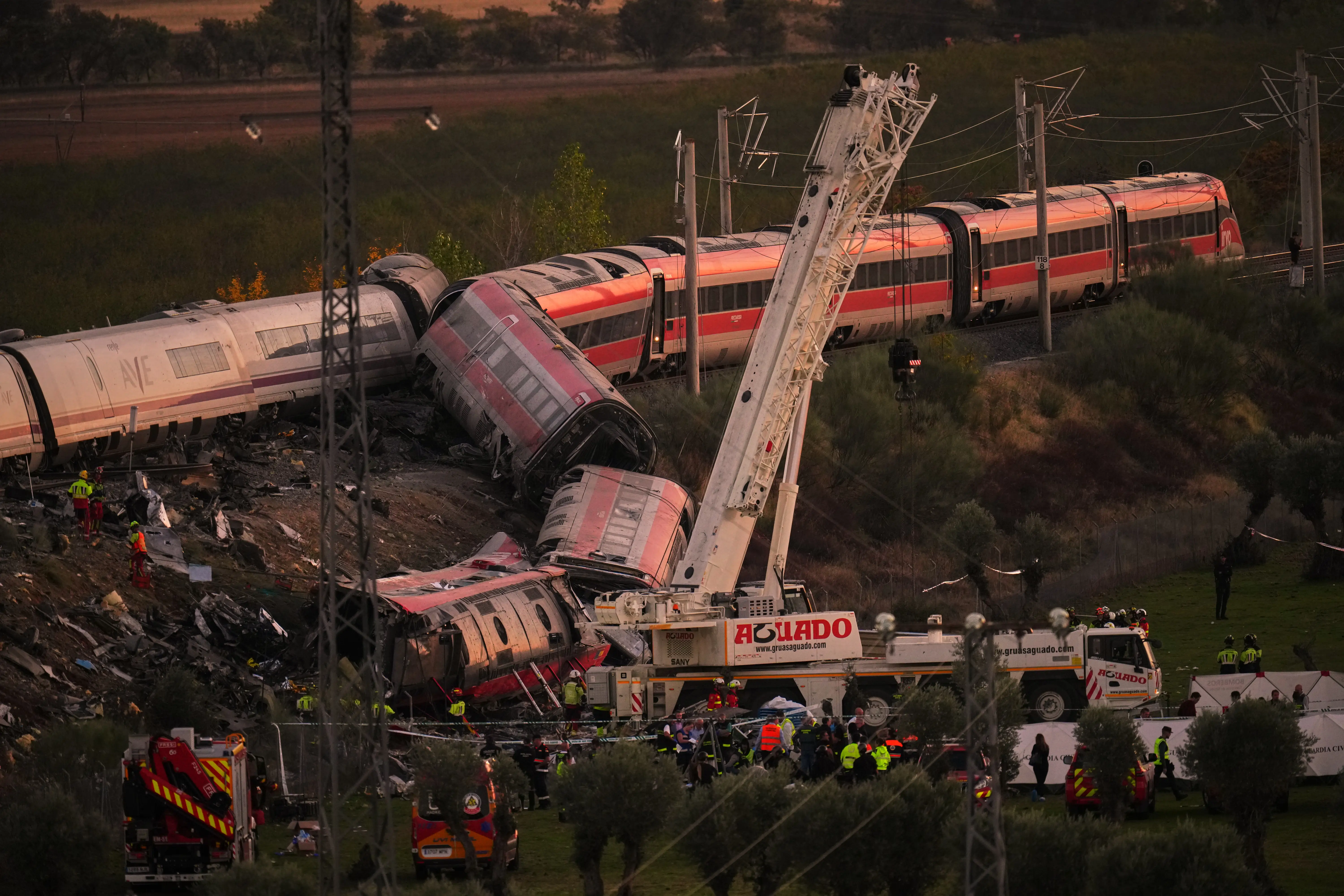
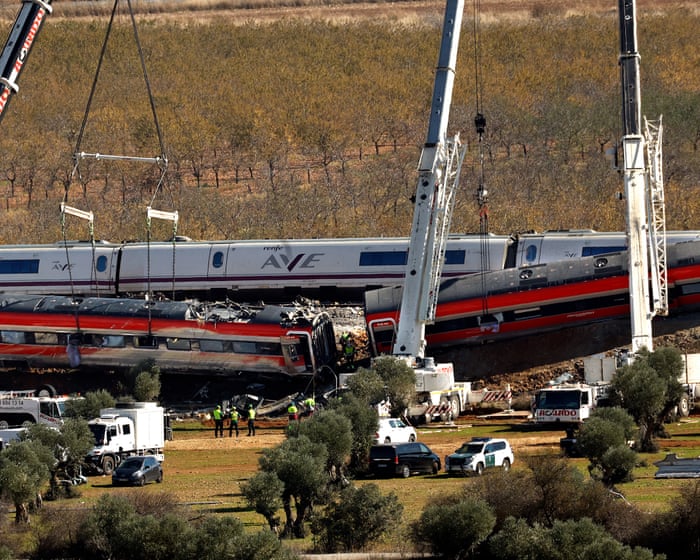
Spanish Prime Minister Pedro Sánchez is facing mounting political pressure that threatens his upcoming re-election bid, following a catastrophic train disaster that has compounded a series of heavy political blows just weeks ahead of a snap national vote.
Compounding Crises Threaten Electoral Prospects
According to BBC News, the Spanish leader is currently grappling with an overlapping succession of emergencies as the country prepares for the ballot box. The administration's standing has been severely rattled by the recent railway tragedy, which has injected profound volatility into the political arena. Readers can learn more about how the political landscape has shifted by exploring our coverage of how the battle lines redrawn in Spain’s snap election after latest train disaster. Furthermore, public scrutiny has intensified following the emergence of controversial recordings, which have prompted intense public interest regarding what leaked audio reveals about Spain train crash.
Why This Matters
(Analytical Context)
Transportation safety and crisis management are vital touchstones for voters, directly testing a government's competence and accountability during times of national trauma. When a major infrastructure disaster strikes on the eve of a general election, it instantly transforms from an operational tragedy into a referendum on the incumbent administration's oversight. For Prime Minister Sánchez, the stakes involve not only his immediate political survival but also the broader stability of his governing coalition, as opposition parties seize upon the fallout to challenge the ruling party's record.
What to Watch
(Analytical Context)
Observers should closely monitor how opposition figures leverage the disaster in upcoming campaign speeches and whether ongoing inquiries uncover systemic regulatory failures. The public release of further official findings and leaked material will likely dictate the final trajectory of the campaign leading up to election day.
Spain operates under a parliamentary system where national elections determine the makeup of the Cortes Generales, the country's bicameral parliament, which subsequently votes to invest the prime minister. Governments in Madrid frequently rely on complex multi-party alliances to maintain a working majority, making voter shifts in key regions particularly decisive during unexpected political crises.
Sources: BBC News