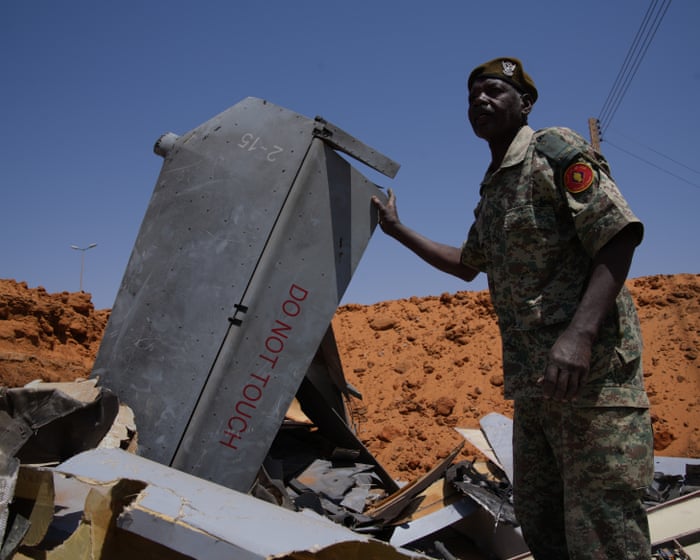
More than 300 people have died in Sudan following a series of army drone strikes that targeted both a funeral transport vehicle and a commercial fuel market, according to reports. BBC News states that the military operations hit a truck carrying mourners alongside a marketplace alleged by authorities to be supplying fuel to the Rapid Support Forces (RSF). The devastating strikes underscore the escalating violence and shifting tactics in the ongoing civil conflict, which continues to take a severe toll on civilian populations caught in the crossfire of urban and regional combat zones.
Escalating Air Operations and Civilian Casualties
The heavy death toll highlights a worsening trend of aerial bombardments in densely populated areas across the country. According to BBC News, the military offensive struck multiple locations, specifically aiming at a vehicle transporting individuals to a funeral and a local market suspected of funneling resources to paramilitary units. This incident follows previous escalations, including a prior drone attack near market kills 80 in Sudan, illustrating how marketplaces and civilian transit routes have increasingly become lethal flashpoints in the grinding war between the Sudanese Armed Forces and the RSF.
The conflict in Sudan, which erupted in April 2023, stems from a bitter power struggle between military leader Abdel Fattah al-Burhan and RSF commander Mohamed Hamdan Daglo. This institutional fracture has displaced millions, triggered severe food insecurity, and created one of the worst humanitarian emergencies in recent history, with both sides frequently accused of indiscriminate attacks on populated areas.
Broader Context and Humanitarian Stakes
While the immediate reports focus on the high casualty numbers from the drone strikes, the broader stakes involve the total collapse of civic safety and the deepening humanitarian crisis across the region. Humanitarian organizations and international observers have repeatedly warned that the intensification of drone warfare by state forces leaves non-combatants with virtually no sanctuary, as essential infrastructure like markets and transport networks are routinely targeted under the suspicion of aiding opposing factions. The destruction of local commerce and public gatherings threatens to push vulnerable communities further toward famine and complete displacement.
What to Watch
Analysts and monitors will be tracking whether international bodies issue formal condemnations or push for renewed cease-fire negotiations in response to the massive death toll. Additionally, observers are monitoring if the Sudanese military will alter its aerial targeting strategies amid mounting pressure from human rights organizations regarding civilian protection.
Sources: BBC News