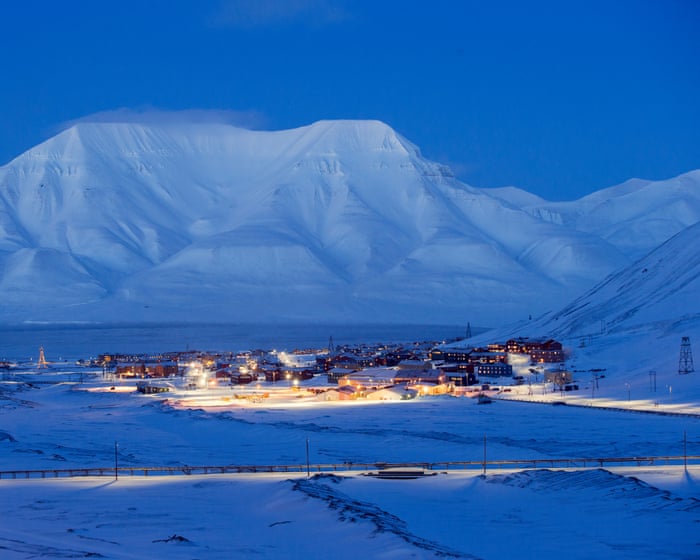
Residents living in the remote Arctic settlement of Longyearbyen on the Norwegian archipelago of Svalbard have been instructed that their tap water is no longer safe to drink, according to World news | The Guardian. The advisory was issued after climate-related thawing triggered the release of heavy metals into the municipal water supply. Situated in one of the fastest-warming regions on the planet, the community now faces a sudden public health challenge that experts warn could foreshadow similar crises for other settlements across the polar north.
Thawing Permafrost and Metal Contamination
The unfolding situation in Svalbard highlights the hidden vulnerabilities of infrastructure built upon permafrost that is rapidly degrading under rising global temperatures. According to the report, the warming climate has directly caused the thawing of surrounding terrain, which in turn mobilized heavy metals into the local water system. Local authorities acted swiftly to issue the warning to residents, though the abrupt loss of a reliable potable water source has left the population scrambling for alternatives.
Broader Implications for Arctic Settlements
While local crews work to address the contamination, the incident in Longyearbyen serves as a stark warning for other municipalities in high-latitude regions facing similar environmental shifts. Similar infrastructural stress points are emerging globally, comparable to how sudden municipal failures can disrupt daily life, such as the stinky business in south London where a local bike shop was hit by an unbearable stench from a Thames Water sewer. As climate pressures mount, remote towns must reassess how their foundational utilities will withstand the physical consequences of a shifting ecosystem.
Why This Matters
Context: The breakdown of basic municipal services in the high Arctic demonstrates the direct, tangible human costs of rapid environmental change. When essential resources like drinking water become compromised by thawing terrain, isolated communities face severe logistical hurdles to secure basic necessities. This vulnerability underscores the urgent need for climate adaptation strategies that go beyond emission reduction and actively fortify aging infrastructure against physical degradation.
What to Watch
Context: Observers will be monitoring how Norwegian authorities manage the immediate logistical burden of supplying clean drinking water to the isolated population of Longyearbyen. Future updates are expected to focus on long-term remediation efforts and whether similar warnings will be issued for other vulnerable settlements across the Arctic.
Sources: World news | The Guardian