Three weeks after a health worker died in Siberia, international health authorities are facing a wall of silence from Moscow, raising serious concerns over global disease monitoring and future pandemic preparedness.
The Siberian Incident and WHO Stonewalling
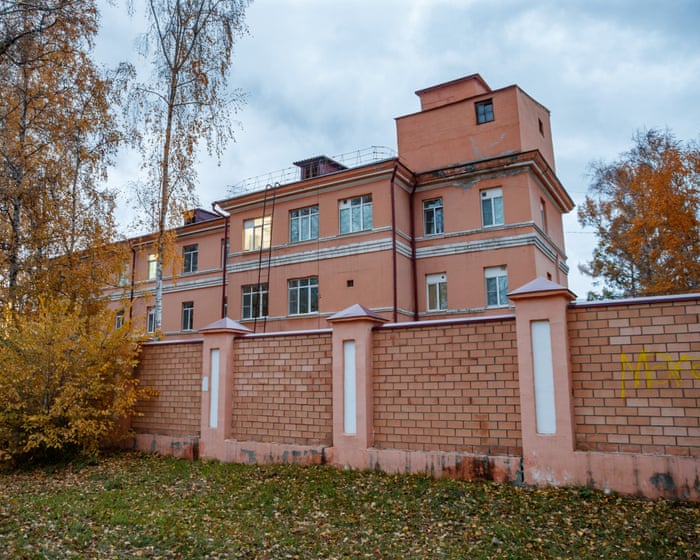
The sequence of events began with the sudden death of an unnamed health worker in Siberia, an incident that immediately drew the scrutiny of international epidemiologists. Rather than offering transparency or sharing samples, Russian officials have completely stonewalled the World Health Organization (WHO) regarding the suspected outbreak. If a straightforward, transparent answer regarding the nature of the pathogen were provided, the global health community would have far less reason for anxiety. Instead, the total lack of official information creates a dangerous information vacuum that hinders cooperative risk assessment.
Epidemiologists and public health experts have voiced deep alarm over the opacity surrounding the case. For context, historical outbreaks of the plague—caused by the bacterium Yersinia pestis—require immediate containment, strict quarantine protocols, and rapid data-sharing to prevent widespread transmission. The deliberate withholding of data from the WHO sets a deeply troubling precedent for how nations might handle emerging pathogens in the future. Experts studying the incident note that managing global health security relies entirely on mutual trust and timely reporting among member states, principles that appear entirely absent in this current crisis.
Broader Geopolitical and Security Context
This information blackout does not occur in a vacuum, as regional tensions and military friction have heavily strained diplomatic and scientific communication channels with Russia in recent years. Analysts reviewing the situation point out that a lack of transparency often spills over into various sectors, complicating international oversight. For example, similar concerns regarding restricted data flows and communication breakdowns have previously emerged in unrelated technological domains, such as the analysis of communications and satellite tracking during the Ukraine-Russia war. When governments restrict basic public health information, the resulting opacity severely undermines regional stability and international cooperation.
Beyond geopolitical friction, the scientific community emphasizes that infectious diseases recognize no borders, making real-time data sharing an absolute necessity rather than a diplomatic courtesy. Independent specialists tracking the Siberian case have warned that suppressing epidemiological details puts neighboring populations at unnecessary risk. To understand the specific biological dangers and monitoring challenges highlighted by the medical community, readers can review our detailed analysis on what worries scientists about the suspected Russian plague victim. Until Russian authorities open channels of communication with the WHO, the international community remains in the dark, left to speculate on the true scale and nature of the Siberian health crisis.
Sources: Science | The Guardian