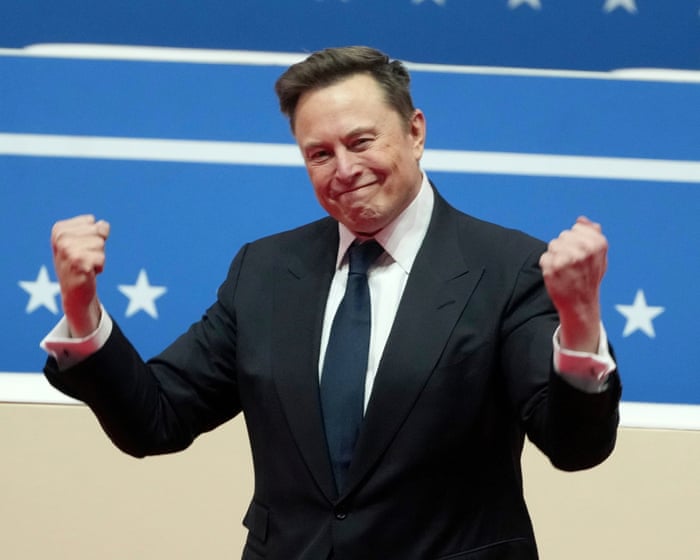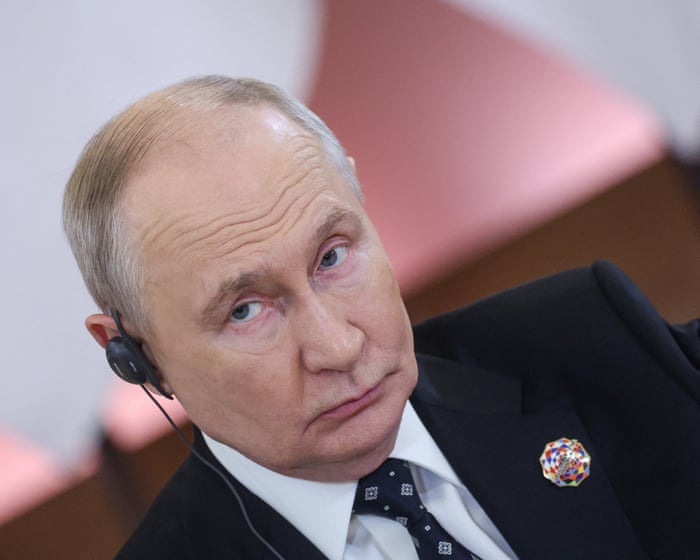
Russian President Vladimir Putin has openly lauded Elon Musk as a genius, according to a report published by Science | The Guardian on October 28, 2026. During statements regarding the space entrepreneur, Putin revealed that he remains in communication with the Starlink controlling shareholder. This diplomatic nod accompanies Moscow's domestic push to engineer its own proprietary satellite communications network.
Developing a Domestic Starlink Alternative
According to the report from Science | The Guardian, the Russian government is actively working on building a native version of the American billionaire's satellite system. State planners intend for this homegrown telecommunications infrastructure to directly support ongoing military operations, specifically citing utility in attacking Ukraine. While the foreign satellite constellation revolutionized battlefield connectivity early in the conflict, Moscow now seeks independent orbital capabilities to match those advantages.
The public praise for the SpaceX chief executive arrives as international scrutiny intensifies regarding the geopolitical influence wielded by private space infrastructure. Similar debates surround commercial technology applications, including public discussions over Elon Musk’s AI Odyssey and broader governance debates, such as arguments from critics who suggest we should Defund Elon Musk. Private aerospace innovations have increasingly blurred the lines between commercial enterprise and sovereign military strategy.
Context and Stakes
Satellite internet constellations have fundamentally rewritten the doctrine of modern warfare by providing resilient, high-speed communication directly to frontline units. When a foreign adversary attempts to replicate such capabilities while maintaining direct dialogue with private western magnates, the intersection of corporate power and international security becomes a pressing global concern. Observers note that reliance on commercially operated orbital networks places unprecedented strategic leverage in the hands of individual private citizens, complicating traditional statecraft and alliance management.
What to Watch
Analysts will be monitoring the timeline for Russia's announced satellite constellation and whether domestic engineering efforts can successfully match the scale of commercial western alternatives. Further developments in the reported communications between Moscow and space industry leaders will also remain under close international observation.
Sources: Science | The Guardian