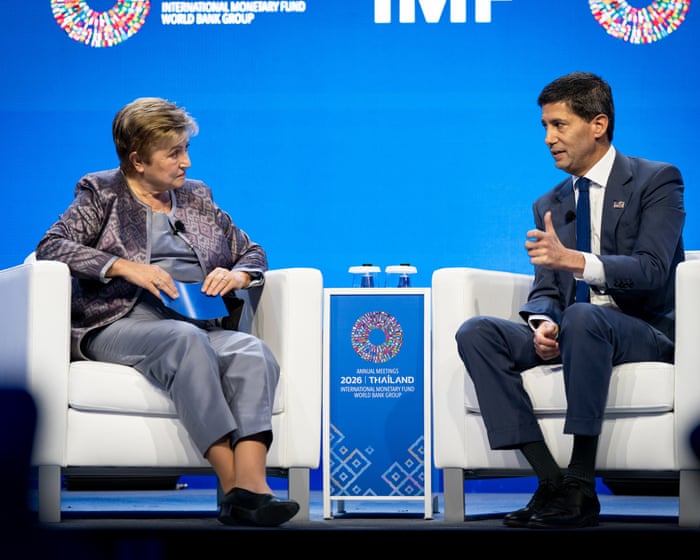
The World Bank is urging developing nations to embrace lightweight artificial intelligence models that can operate on mobile devices with low connectivity, arguing that the technology could dramatically accelerate economic growth.
According to the bank's chief knowledge officer, fostering these localized tools could compress centuries of traditional economic development into mere decades. Rather than relying on massive, power-hungry data centers, governments in the Global South should focus on smaller systems tailored to local needs and infrastructure constraints.
## The Power of Lightweight Models
Large language models typically demand vast computational resources and high-speed internet connections, putting them out of reach for many marginalized communities. By contrast, "small AI" models run efficiently on standard smartphones and function reliably even with intermittent network access.
This approach allows farmers, small business owners, and local administrators to access advanced data analysis, translation, and automated services without expensive hardware upgrades. Financial institutions and global policymakers are increasingly monitoring how countries are defying gravity amid ongoing global economic shifts, making technological adaptation a pressing priority for emerging markets.
## Transforming Local Economies
The strategic shift toward mobile-friendly artificial intelligence aims to bridge digital divides that have historically left developing economies behind. When artificial intelligence tools are accessible locally, communities can deploy them for agricultural optimization, health diagnostics, and regional governance.
Proponents suggest that removing infrastructure barriers gives local entrepreneurs the tools to scale operations faster than previous industrial models allowed. This grassroots technological integration bypasses the need for costly national grid expansions or heavy industrial investments.
International development agencies have long grappled with regional disparities, a theme underscored by recent diplomatic friction, such as when the Bank of England governor walks out of IMF summit in protest against Russia. Despite macroeconomic turbulence and geopolitical divisions, international financial institutions maintain that targeted technological innovation remains one of the few levers capable of rapidly lifting living standards in low-income regions.
Sources: Business | The Guardian