China and Canada have agreed to deepen tariff relief on hundreds of millions of dollars of trade, Prime Minister Mark Carney's office said on Tuesday, after Carney met Chinese President Xi Jinping in Shenzhen on the sidelines of the Asia-Pacific Economic Cooperation summit.
Also readNext issues cyber-attack warning after ‘benign’ data accessed by hackers
China will provide additional tariff relief for around C$400 million ($280 million) of Canadian exports, including frozen pork cuts and fish and seafood, according to Reuters, which cited a statement from Carney's office. The relief covers about C$116 million in frozen pork cuts and C$285 million in fish and seafood, including certain frozen cold-water shrimp and prawns such as Pacific spot prawn, molluscs including geoduck, sea cucumber and Greenland halibut.
The two leaders agreed to extend and expand a preliminary arrangement on addressing bilateral economic and trade issues, a framework designed to improve access to the Chinese market for Canada's farmers and seafood harvesters. The expansion builds on an agreement announced earlier this month extending tariff relief for Canadian canola meal, peas, lobster and crab through the end of 2028, and both sides have agreed to keep the new measures in place until at least the end of 2028, according to The Edge Singapore.
Also read‘It’s an embarrassment’: how LA’s desperately needed airport tram went off the rails
In exchange, Canada has agreed to extend by two years existing remission measures for certain Chinese steel and aluminium products that are currently set to expire at the end of 2026, and to expand remissions coverage to an additional 32 steel and aluminium tariff items for which Canadian supply is insufficient or unavailable.
The steel and aluminium concessions matter to Canadian manufacturers that rely on Chinese inputs they cannot source at home, and they were a central ask from Beijing in the negotiations. Carney hailed "greater predictability and stability" in the relationship and said Canada was well ahead of schedule in its goal of boosting exports to China by 50 percent by the end of this decade.
The prime minister's office said Canada has to date restored market access for more than 90 percent of trade previously subject to tariff action, worth nearly C$7.5 billion in Canadian exports. That progress follows the new Canada-China strategic partnership the two leaders launched in January, when Carney visited Beijing in his first trip to China as prime minister.
The January deal set the pattern for Tuesday's agreement. China dropped its tariffs on key Canadian agricultural exports such as canola meal, crabs and lobsters, and in return Canada opened its market to a capped number of Chinese-made electric vehicles, allowing up to 49,000 Chinese EVs into the country at a tariff of about 6 percent, exempt from the 100 percent surtax Canada placed on Chinese EVs in 2024.
Tuesday's announcements did not include any significant changes to that auto pact, leaving the EV quota untouched. The agreement is a central piece of Carney's strategy to reduce Canada's economic reliance on the United States, which has deepened as President Donald Trump has imposed tariffs on Canadian goods.
Diversifying export markets has become the defining economic project of Carney's government, and China, the world's second-largest economy, is the biggest single alternative market available to Canadian farmers, fishermen and manufacturers. The thaw also stands in contrast to the trade friction between Ottawa and Washington, where negotiations have stalled and Trump has said he is in no rush to conclude a deal.
Beyond tariffs, the two leaders endorsed the joint outcomes of the second Canada-China Economic and Financial Strategic Dialogue, and announced new initiatives in business, travel and education, according to the Prime Minister's Office. The statement, published on the Prime Minister of Canada's website, said the partnership launched in January had already strengthened economic and financial cooperation and expanded cultural exchanges between the two countries.
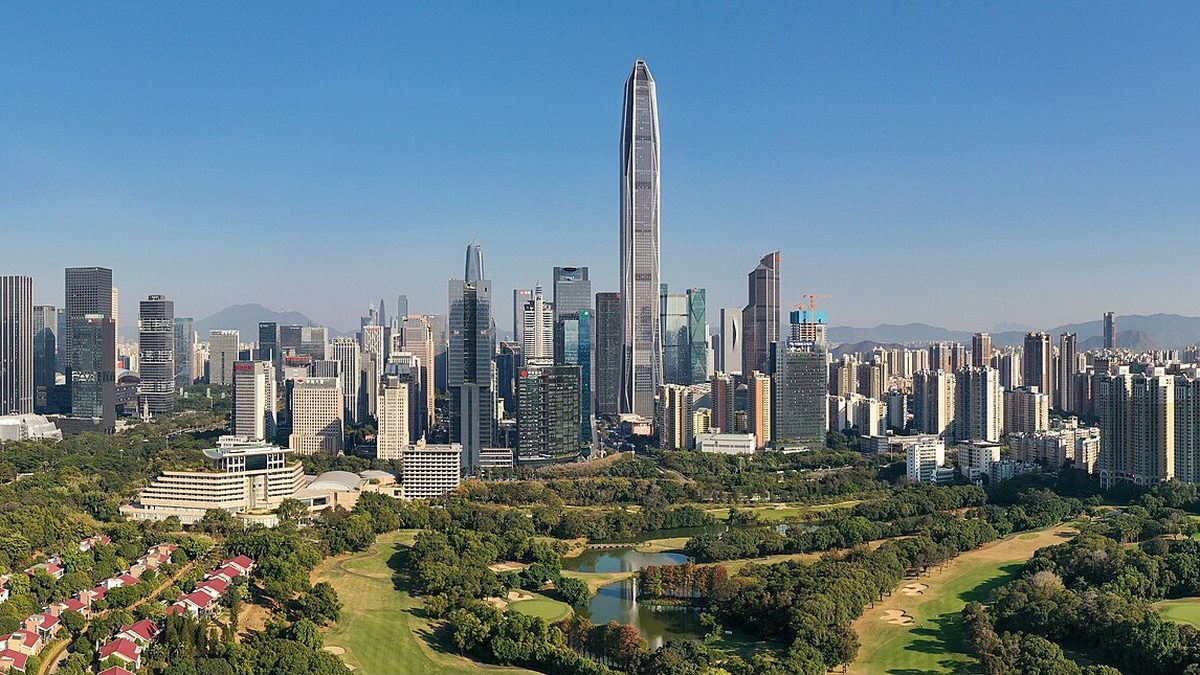
Shenzhen is an apt setting for the meeting. The southern Chinese city is hosting this week's APEC summit, and on November 19 it will also host the first trilateral summit between Xi, Trump and Russian President Vladimir Putin, as Global Wire reported.
The Carney-Xi talks, held on the margins of that gathering, underline how the APEC week has become a stage for leaders to reset trade relationships strained by tariff wars. The test of Tuesday's deal will be whether the tariff relief turns into real export growth.
The products covered, from prairie pork to Pacific seafood, reach Chinese buyers quickly, and the farmers and harvesters who benefit are among the constituencies hit hardest when the two countries imposed tit-for-tat tariffs in recent years. For Carney, the agreement is evidence that his diversification strategy is producing results; for Xi, it is a further sign that Beijing can peel US allies away from Washington's tariff coalition with targeted concessions.
The Bangkok Post reported that the measures build directly on the January agreement, suggesting both sides now see the trade thaw as a durable framework rather than a one-off truce.
What happens next will depend on implementation. Tariff relief announced in statements still has to be translated into customs schedules, and Canadian exporters will be watching for the fine print on which products qualify and when the new rates take effect. If the relief lands as promised, the C$400 million covered on Tuesday would add to the C$7.5 billion of exports that have already regained market access, keeping Canada on course for its 50 percent export-growth target and giving the January partnership a second concrete win in under a year.