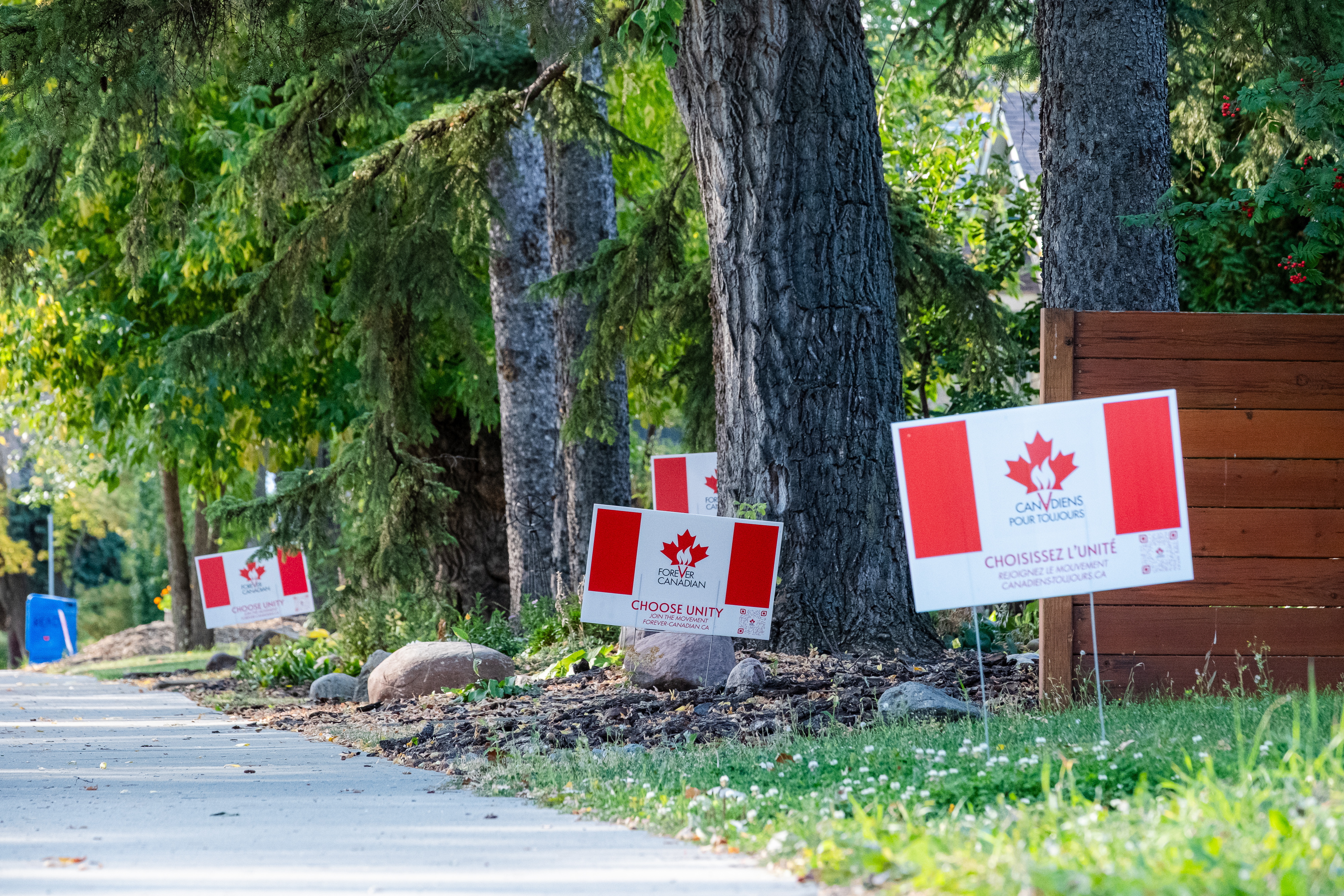
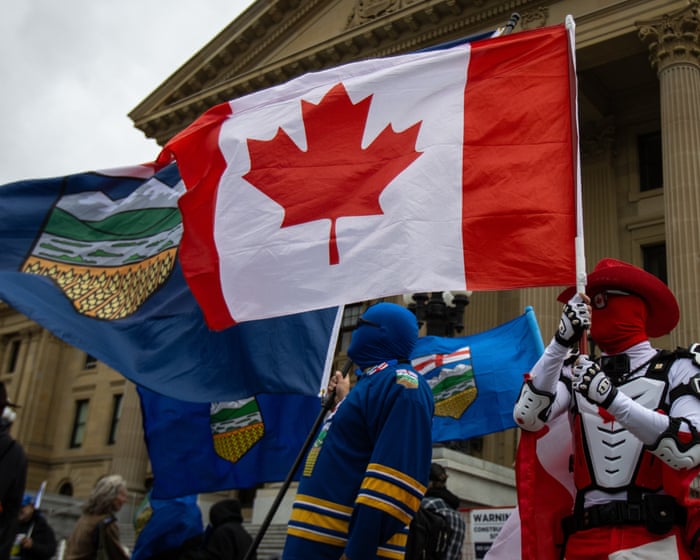
Residents of Alberta headed to the ballot boxes on October 19, 2026, to cast their votes in a high-stakes referendum. According to NPR Topics: World, the vote could potentially set the oil-rich province on a path toward separation from the rest of the country.
The referendum has drawn intense national attention, with federal leaders warning of severe political consequences. Prime Minister Mark Carney has publicly cautioned that the provincial ballot poses direct threats to Canadian unity, as reported by NPR Topics: World. Voters in the region are currently weighing their long-term economic and political future within the federation, a topic explored further in our previous coverage of how Alberta voters weigh future in Canada.
National Unity and Provincial Discontent
The friction between Alberta and Ottawa stems from decades of economic grievances, particularly regarding energy policies, federal taxation, and resource management. Proponents of the vote argue that breaking away would give the province full control over its substantial petroleum wealth. Meanwhile, federalists contend that separation would trigger chaotic trade negotiations, disrupt currency stability, and isolate the region geographically.
This domestic friction unfolds against a backdrop of broader constitutional debates that have periodically strained Canada's federal structure since its founding, as regional disparities between eastern manufacturing centers and western resource economies frequently test the limits of national compromise.
Stakes and Economic Repercussions
(Analysis: Why this matters)
The outcome of this referendum carries profound implications for the entire federation. If a majority of residents choose to pursue autonomy, Canada faces an unprecedented constitutional crisis that could reshape its borders, federal budget, and international energy commitments. For local citizens and businesses, the uncertainty immediately impacts investment sentiment, property markets, and cross-provincial trade relations.
(Analysis: What to watch)
Observers should monitor the official certified vote tallies, the immediate legislative response from the federal government in Ottawa, and any potential legal challenges launched by opposing political factions regarding the validity of the referendum mechanism.
Sources: NPR Topics: World