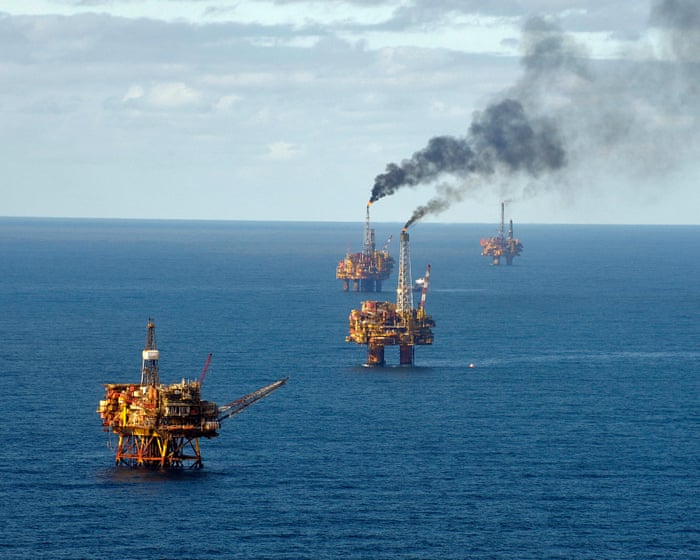
The United States is currently constructing new fossil fuel infrastructure at a pace not seen in ten years, reversing a prior trajectory as clean energy development experiences a notable deceleration. According to a report published by The Verge on October 19, 2026, this shift is being driven by a surge in national power consumption that is outpacing any growth rate recorded over the past decade.
Rising Power Demand and Infrastructure Surges
The findings indicate that the primary catalyst behind this fossil fuel resurgence is a sharp upward curve in electricity requirements nationwide. Power demand is climbing faster than at any point in the last ten years, fueled primarily by the rapid expansion of industrial manufacturing facilities and energy-intensive data centers. As these large-scale operations place unprecedented loads on the electrical grid, utility operators and energy planners are turning back to traditional power sources to maintain grid stability and prevent shortages, even as renewable energy expansion hits a slower phase.
Why This Matters
Context: This tension between surging technological demands and environmental targets highlights a complex operational challenge for modern power grids. Major technology firms are increasingly forced to secure alternative power arrangements, as seen when Amazon is funding a new nuclear plant in Indiana to meet soaring facility energy needs without relying solely on traditional grids. The stakes involve balancing near-term grid reliability against long-term climate commitments, affecting everyday consumers through potential electricity pricing shifts and regional air quality impacts.
What to Watch
Context: Observers should monitor upcoming regulatory filings from major regional grid operators to see how quickly these fossil fuel projects transition from planning phases to active deployment. Further tracking of municipal zoning approvals will reveal whether local opposition can successfully delay the construction boom noted in the report.
Sources: The Verge