The number of arrests stemming from widespread demonstrations across France has climbed past 1,800, following a day of severe unrest that left entire streets in Paris heavily damaged.
Interior Minister Laurent Nunez confirmed the rising arrest figures on Saturday, posting a firm message on social media declaring that "the Republic will not yield" to the demonstrations. The ongoing civil unrest represents some of the worst street disorder France has experienced in years, paralyzing parts of the capital and drawing emergency responses nationwide. To understand how the situation escalated so rapidly, readers can review our timeline detailing how day of protests unfolded as disorder breaks out across France.
Destruction Across the Capital
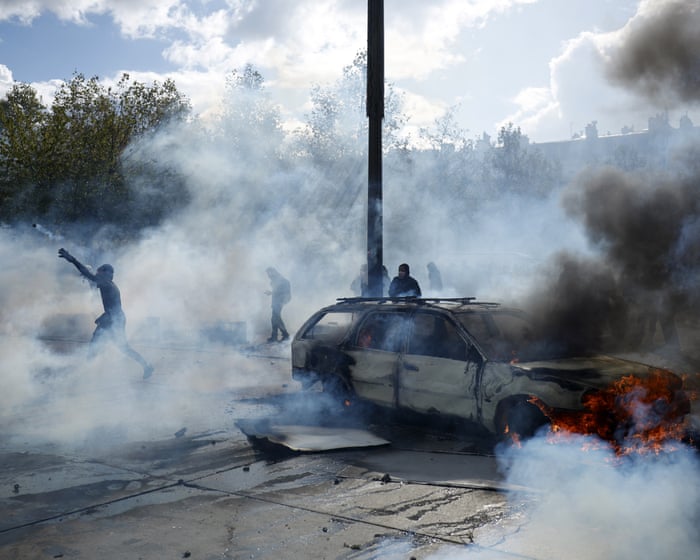
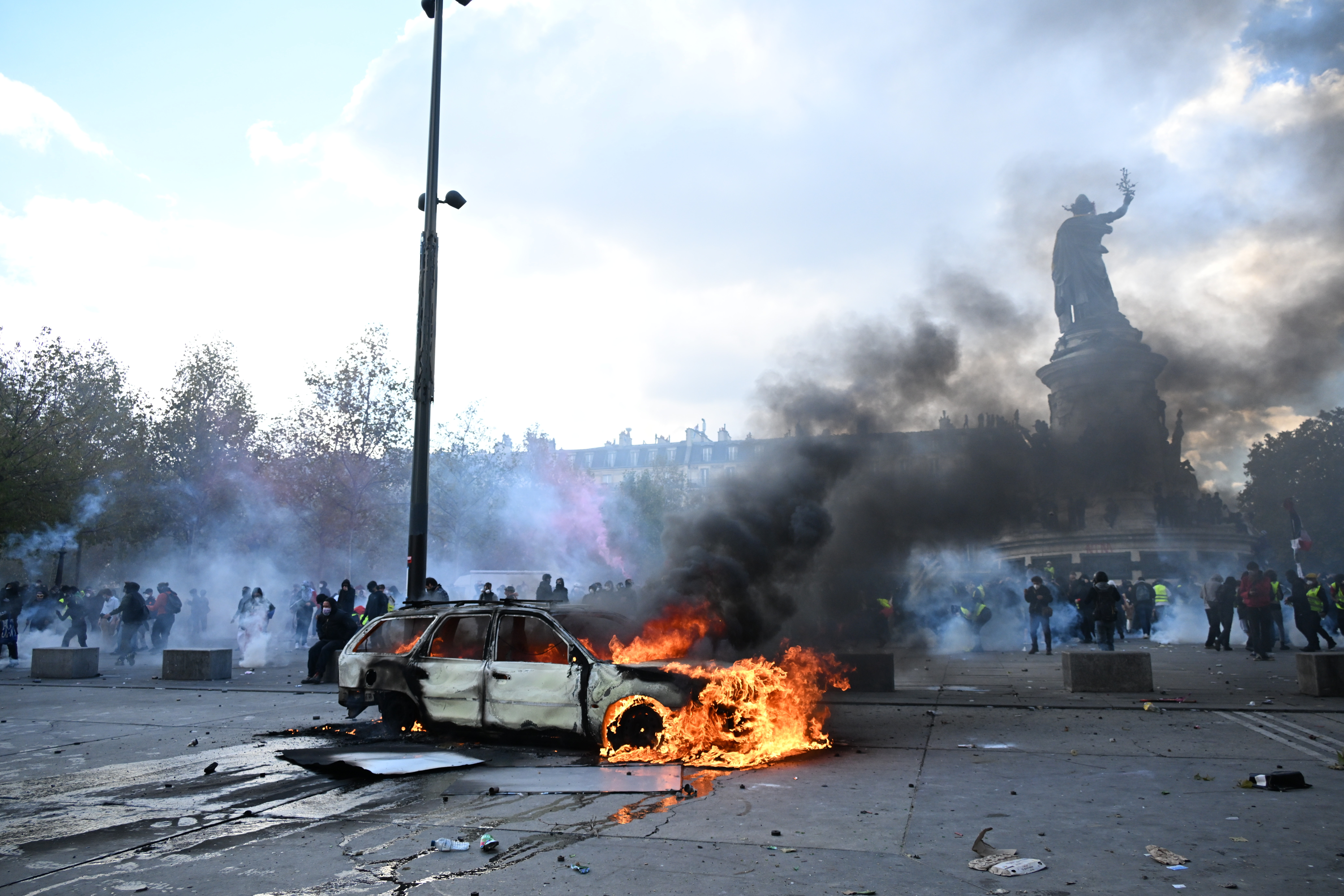
The impact of the riots was immediately visible in central Paris, where whole streets appeared devastated by the violence. Emergency services confronted chaotic scenes marked by extensive property damage, debris, and structural impacts. Observers on the ground documented the heavy toll of the riots, noting scenes defined by burnt out cars and shattered glass on Paris streets after protests turn to riots and looting.
The demonstrations initially began as localized campus grievances before expanding into broader public dissent. What started as targeted gatherings quickly transformed into large-scale public demonstrations, reflecting deep-seated economic and political frustrations among various sectors of the population.
Government Response and Outlook
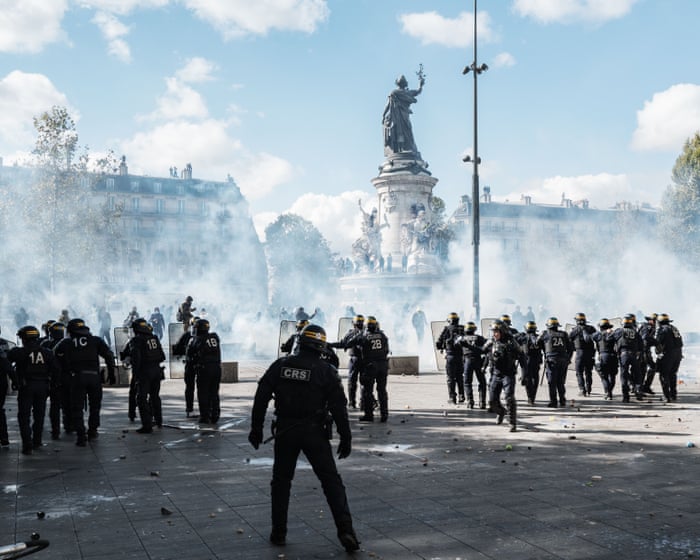
Security forces remain deployed in high numbers across major urban centers to maintain public order and prevent further escalation. Authorities are continuing to evaluate the full scale of the property damage in Paris and other affected cities as investigators process the detained individuals.
France has a long history of militant labor and student activism, where street demonstrations frequently challenge central government policies and occasionally erupt into clashes with police. Ministers are standing their ground against the unrest, signaling that law enforcement will maintain a strong presence while the judicial system processes the detainees.
Sources: World news | The Guardian