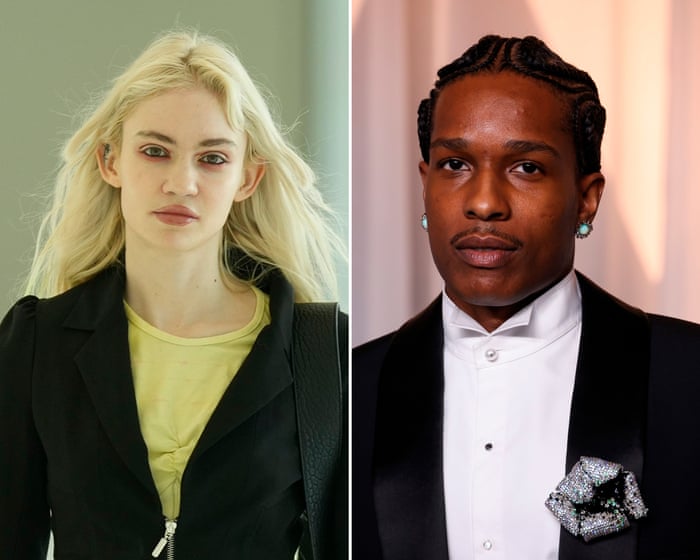
The music industry is facing a widespread pushback against artificial intelligence, with audiences and artists alike establishing firm boundaries as synthetic tracks flood streaming platforms. According to Culture | The Guardian, even prominent early enthusiasts of machine-learning tools—such as Grimes and A$AP Rocky—have shown reluctance to actually produce works entirely through automated systems, despite previously voicing support for the technology.
This resistance arrives as digital platforms and major recording artists grapple with an escalating volume of synthetic audio. While technological innovation has transformed digital workflows across creative sectors—similar to how modern programming concepts are explored in our report on how vibe coding is turning the music gear world upside down—the commercial reception for automated art remains deeply divided.
The Divide Among Prominent Boosters
The report highlights a distinct paradox within the contemporary electronic and hip-hop scenes. While public-facing figures like Grimes and A$AP Rocky have experimented with or praised the conceptual framework of synthetic media, the practice of releasing fully machine-generated compositions has triggered a different reaction altogether. Fans are increasingly vocal in their rejection of tracks that lack human authorship, prompting creators and executives to reconsider their approach to automated production tools.
Historically, popular music has always evolved alongside technological disruption, from the introduction of digital synthesizers and samplers in the 1980s to modern digital audio workstations. However, the current shift differs fundamentally because generative models can replicate specific human voices, artistic styles, and compositional structures without the original creator's consent or compensation.
Why This Matters
This unfolding friction goes beyond mere aesthetics, striking at the economic survival of working artists and the integrity of cultural heritage. When algorithms can instantly generate passable imitations of established musicians, copyright frameworks and royalty streams face unprecedented destabilization. Listeners are forced to question the authenticity of what they consume, while independent creators risk being crowded out by mass-produced, low-cost synthetic noise that exploits their prior work.
What to Watch
Observers should monitor forthcoming policy updates from major streaming services regarding automated content labeling and royalty distribution. As fan backlash hardens, the legal challenges surrounding voice cloning and unauthorized training data will likely accelerate in courts worldwide.
Sources: Culture | The Guardian