Hundreds of thousands of residents across Indonesia have fallen ill following months of continuous fires on the island of Borneo, according to BBC News. The severe outbreak of blazes has been heavily fueled by a prolonged Super El Niño climate pattern, blanketing the region in a dangerous toxic haze that continues to overwhelm local healthcare systems and disrupt daily life.
Health Crisis on the Frontline
The persistent smoke has triggered a massive public health emergency, leaving populations exposed to hazardous air pollutants day after day. According to the report, medical facilities are struggling to cope with the surge of patients suffering from acute respiratory infections and other smoke-related ailments. Communities living close to the burn zones bear the heaviest burden, enduring visibility drops and breathing difficulties that make ordinary outdoor activities nearly impossible.
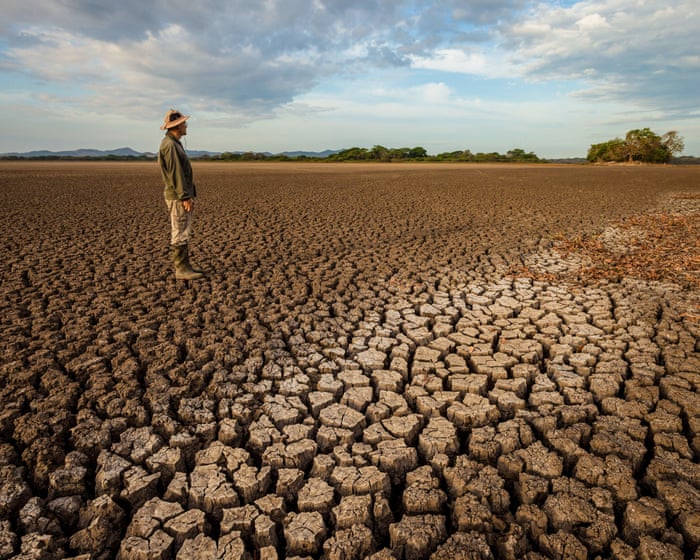
El Niño is a naturally occurring climate phenomenon characterized by warmer-than-average sea surface temperatures in the central and eastern Pacific Ocean. In regions like Southeast Asia, this weather pattern typically suppresses rainfall, creating exceptionally dry conditions that turn forests and peatlands into tinderboxes and allow agricultural fires to spiral out of control.
Why This Matters
This unfolding disaster carries profound implications for millions of people across Southeast Asia, threatening not only immediate public health but also regional economies and educational infrastructure. Vulnerable populations—including children, the elderly, and outdoor workers—face the highest risks from prolonged exposure to fine particulate matter, which can lead to long-term chronic heart and lung conditions. Beyond human suffering, cross-border haze regularly strains diplomatic relations between Indonesia and its neighbors, such as Malaysia and Singapore, when smoke crosses international boundaries and drives air quality indices into dangerous territories. Climate events like these also amplify global carbon emissions, undermining international efforts to curb rapid environmental degradation and biodiversity loss.
What to Watch
As dry conditions persist, observers will be tracking meteorological updates to see when seasonal monsoon rains might finally arrive to suppress the remaining hotspots. International aid agencies and local governments will also face mounting pressure to ramp up firefighting resources and preventative land-management strategies before the next dry cycle begins. Meanwhile, readers interested in other recent environmental and public safety emergencies can review our reporting on how communities respond to sudden crises, such as the local authorities managing public safety risks following a swimmer killed in shark attack off South Africa's east coast.
Sources: BBC News