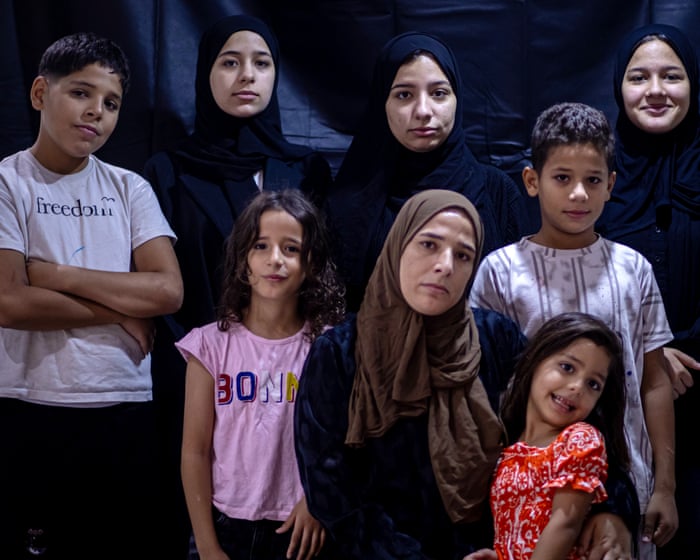
Severe funding shortfalls are hamstringing humanitarian operations inside the Palestinian enclave, leaving over a million residents facing extreme deprivation. According to NPR Topics: World, the leadership of the United Nations World Food Programme has described conditions on the ground as intensely harsh, noting that critical assistance must now be scaled back.
Aid Cutbacks Amid Ongoing Ceasefire
The latest assessment from the international agency indicates that 1.4 million people across the territory are currently enduring severe shortages of provisions. These reductions in humanitarian distribution are occurring even though a cessation of hostilities was previously arranged through American mediation between Israel and Hamas, according to the report. Relief organizations point out that resource deficits are the primary driver behind the shrinking food rations, severely limiting the capacity of teams on the ground to meet basic daily needs.
Global diplomatic efforts frequently intersect with localized crises of this scale, much like how historical and cultural narratives shape international awareness through unexpected connections, such as when descendants explore familial histories like an extraordinary life descendant welcomes biography of woman gifted to Queen Victoria. Yet the immediate emergency facing the enclave remains starkly focused on logistics, funding, and basic survival.
Why This Matters
As a matter of context, the stakes in this humanitarian crisis involve the immediate physical survival of millions of civilians who have endured prolonged infrastructure destruction and displacement. When major agencies like the World Food Programme are forced to reduce rations due to financial shortages, the vulnerability of children, the elderly, and sick individuals increases exponentially. This situation risks triggering severe public health emergencies that can destabilize the region long after military engagements subside.
What to Watch
Observers will be monitoring donor conferences and emergency appeals from the United Nations to see if international pledges can bridge the existing funding gap. Future developments will also depend heavily on whether supply routes remain stable and if diplomatic pressures can secure more reliable access for relief convoys entering the territory.
Sources: NPR Topics: World