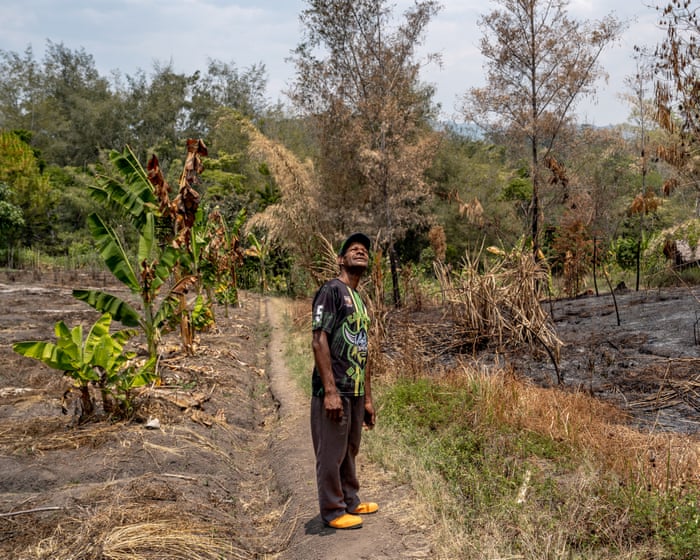
A severe drought fueled by an historic El Niño phenomenon has escalated into a national crisis across Papua New Guinea, leaving 8 million people struggling with acute food shortages, according to World news | The Guardian.
Widespread Disruption to Infrastructure and Daily Life
The dry conditions have triggered a cascading series of infrastructure failures throughout the country. According to the report, local farms have experienced catastrophic crop failures, stripping communities of their primary sustenance. Beyond agriculture, the severe lack of water has severely impacted basic services, forcing health clinics to shut their doors and causing widespread electricity blackouts. Rivers that traditionally serve as vital lifelines and transportation routes have completely dried up, deepening the isolation of rural populations.
El Niño is a recurring climate pattern characterized by the warming of surface ocean waters in the eastern Pacific, which typically brings suppressed rainfall and prolonged dry spells to parts of Oceania. For agricultural communities in the region, prolonged water scarcity is a recurring vulnerability that often strains traditional coping mechanisms and tests the limits of government disaster response.
Why This Matters
This crisis strikes at the heart of human security in the region, threatening the survival and livelihoods of millions who rely entirely on subsistence farming. When basic infrastructure like rural health clinics close alongside widespread power outages, vulnerable populations are left entirely without medical care or communication during an emergency. The situation highlights the deep economic and physical precarity faced by communities when global climate drivers disrupt local ecosystems.
What to Watch
Observers will be tracking how quickly emergency food supplies and medical aid can reach remote, isolated districts cut off by dried-up waterways. Attention will also turn to the national government's capacity to restore basic utility services and whether international aid agencies will scale up interventions to prevent a broader humanitarian disaster.
Sources: World news | The Guardian