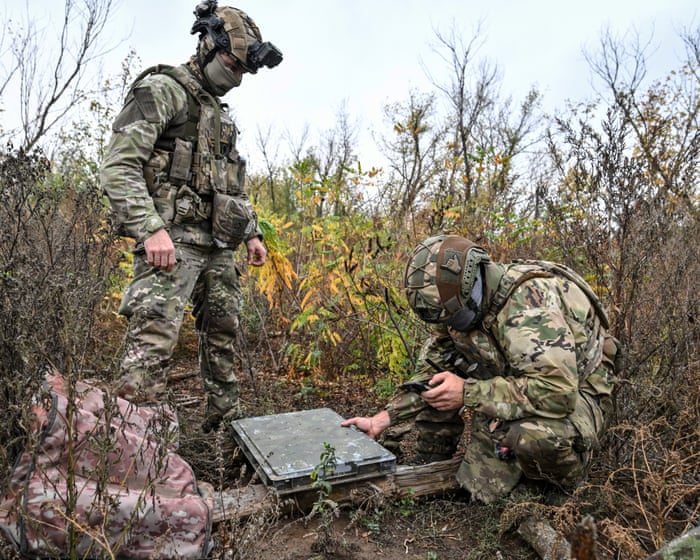
Military operations on the front lines of Ukraine faced severe disruptions last week when Starshield, the specialized variant of SpaceX's satellite internet service utilized by defense forces, experienced sudden speed throttling, according to a report by The Verge. The technical restrictions were deployed to prevent terminals moving above designated velocity thresholds from maintaining network access, directly impacting frontline interceptor units tasked with neutralizing incoming Russian drones.
Operational Hurdles for Defense Forces
The throttling measures introduced immediate complications for Ukrainian military units relying on the satellite constellation for real-time coordination and defense. According to The Verge, the intervention cut off connectivity for high-speed interceptors, highlighting the heavy operational reliance armed forces place on commercial space infrastructure during active conflict. Because SpaceX retains unilateral authority over its network architecture, military users remain vulnerable to sudden adjustments in service parameters imposed by the private operator.
As commercial entities increasingly intersect with modern warfare, debates surrounding sovereign operational autonomy and private sector leverage have intensified. While private enterprise has driven rapid advancements in orbital technology—echoing past strategic expansions seen in our coverage of recent corporate maneuvers such as when Elon Musk made a $1 billion investment in Skydance—the concentration of critical communications in the hands of single corporate actors introduces profound geopolitical risks. Critics argue that relying on private infrastructure allows unelected executives to exercise de facto veto power over state-level defense strategies.
Why This Matters
This incident lays bare the precarious reality of modern warfare, where sovereign defense capabilities are increasingly tethered to the whims, policies, and technological decisions of private billionaires and commercial enterprises. For nations engaged in existential conflicts, the inability to guarantee uninterrupted access to vital communication networks creates severe strategic vulnerabilities. The stakes extend far beyond the current conflict in Eastern Europe, signaling a broader vulnerability for any government that outsources its critical communications backbone to commercial space operators. When a single commercial entity can alter the operational limits of a military theater overnight, the traditional boundary between corporate governance and state sovereignty effectively dissolves.
What to Watch
Observers will be monitoring whether defense ministries accelerate efforts to develop redundant, state-owned satellite networks to reduce reliance on commercial providers like SpaceX. Future policy discussions are also expected to focus on regulatory frameworks governing commercial space operations during active military engagements.
Sources: The Verge