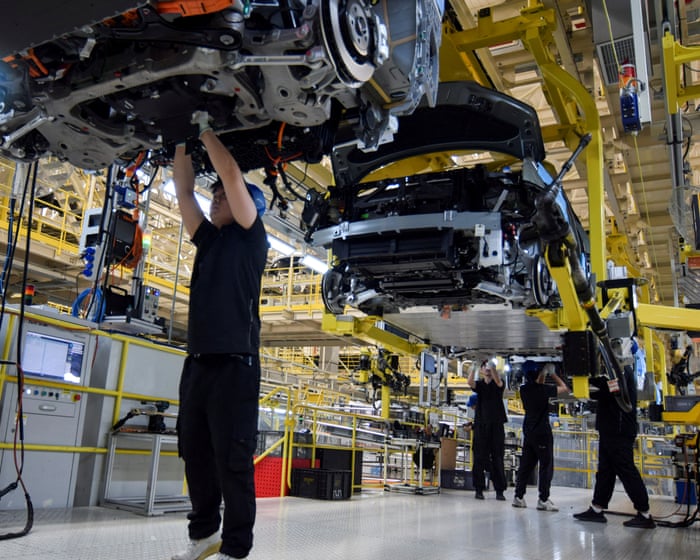
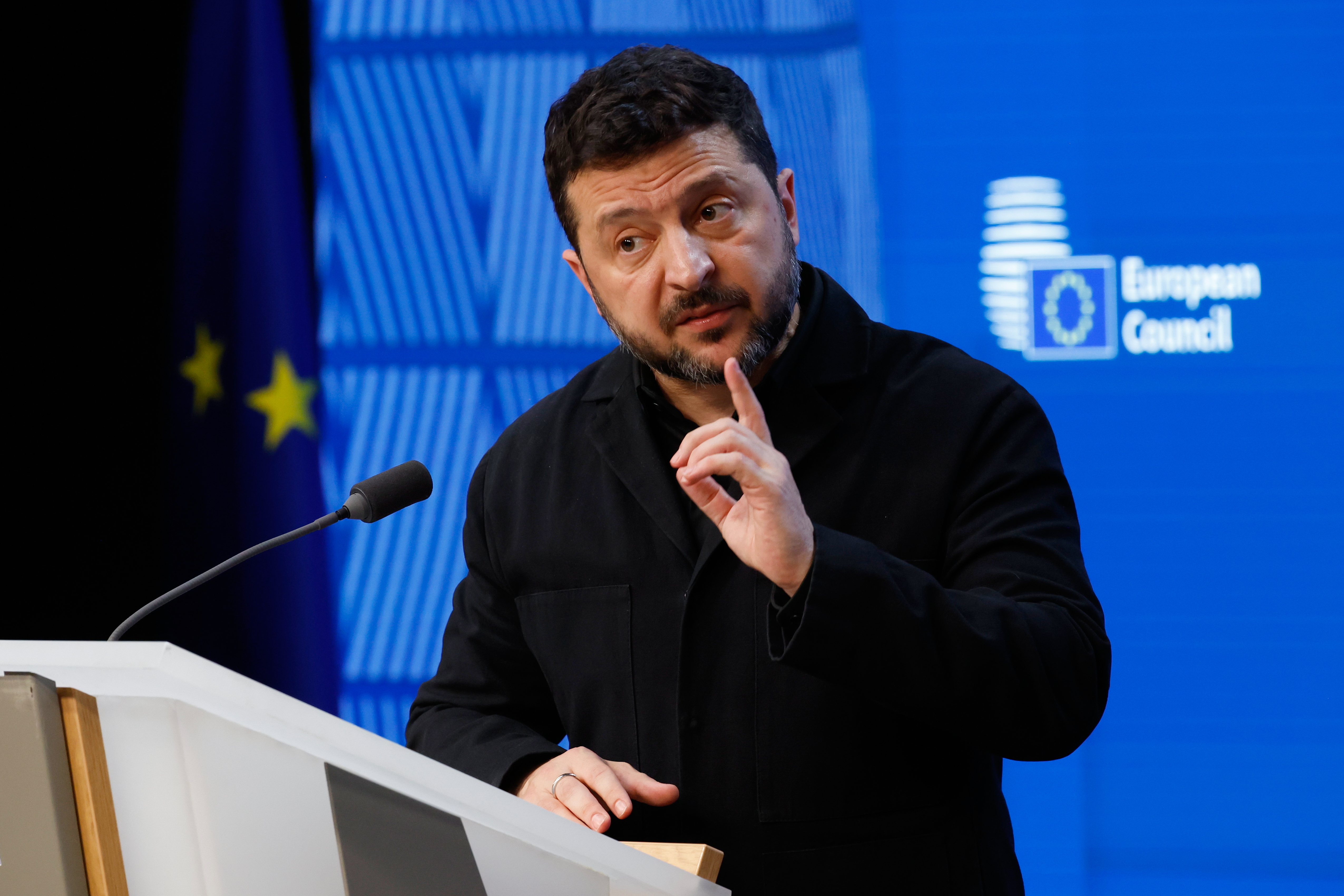
European Union trade barriers intended to penalize cheap foreign metal are instead damaging the wartime economy of Ukraine, according to the head of one of the nation's largest steel producers.
Unintended Fallout From Trade Restrictions
Ukrainian steel executives argue their industry has been unfairly grouped alongside other nations under strict European protective measures. The chief executive of Metinvest, Yuriy Ryzhenkov, told BBC News that Brussels has "bundled together" Ukrainian manufacturers with global competitors when applying safeguards designed to curb an influx of inexpensive goods.
While Western allies have poured billions of dollars into supporting Kyiv's defense and stabilization efforts, trade barriers threaten to choke off vital export revenue. According to the report, the steel sector remains a cornerstone of the country's domestic economy, employing thousands of workers and generating crucial foreign currency despite the ongoing destruction of industrial infrastructure. Analysts often point out that as global trade tensions mount over industrial overcapacity—a dynamic explored in our analysis of why China and AI are worrying global finance bosses—smaller economies frequently get caught in the crossfire of protectionist policies originally designed for major superpowers.
Broader Economic Stakes
Steel production has historically served as a vital barometer of heavy industry and manufacturing strength across Europe and its immediate neighbors. For Ukraine, maintaining access to Western markets is not merely a commercial concern, but an existential financial lifeline required to sustain basic government functions and support communities near the front lines.
When regional trade policies inadvertently restrict these exports, the financial blow directly impacts local employment, logistics networks, and municipal budgets that rely heavily on industrial tax receipts. This tension highlights a persistent challenge for international policymakers trying to balance domestic market protection against broader geopolitical alliances. Similar dilemmas over trade defenses have surfaced elsewhere in Europe, such as debates surrounding regional vehicle barriers, which are detailed further in our coverage of whether the UK might impose Chinese EV tariffs if it joins the EU scheme.
Future Outlook
As Brussels reviews its current import quotas and safeguarding mechanisms, industry advocates are pressing for targeted exemptions that acknowledge Ukraine's unique wartime circumstances. Observers will be monitoring whether European regulators respond to direct appeals from Kyiv by carving out special trade provisions or if existing import caps remain rigidly enforced across all non-EU suppliers regardless of geopolitical alignment.
Sources: BBC News