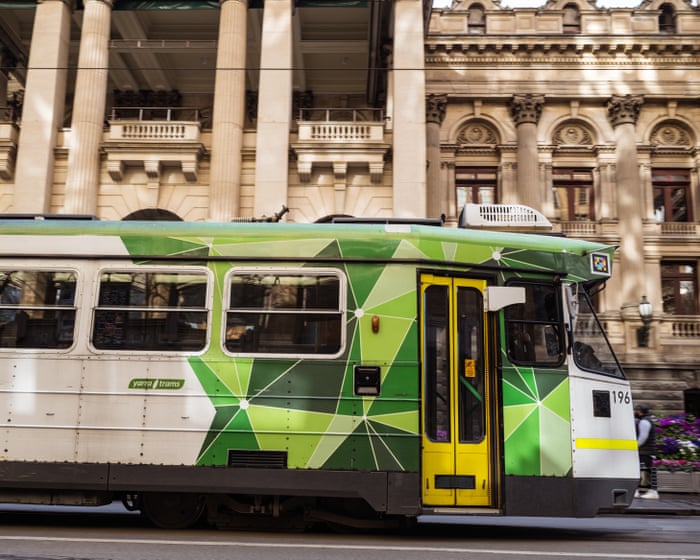
Victorian commuters could see their weekly travel costs limited to $30 under a new election pledge put forward by the Labor government, though rival political figures are already arguing the policy does not go far enough. According to World news | The Guardian, Premier Ben Carroll announced that the two-year fare restriction would take effect on 1 January if his administration secures another term at the ballot box.
Public transportation systems worldwide are increasingly viewed not just as transit networks, but as essential tools for economic mobility and environmental policy. As urban centers grapple with congestion and living cost pressures, governments frequently deploy fare caps or system overhauls to encourage ridership and alleviate household budgets. Similar debates over transit affordability often intersect with broader discussions about corporate responsibility and public welfare, akin to how major technology firms navigate public utility initiatives, as explored in our coverage when Anthropic says it’s committing 5% of its shares to a ‘public benefit fund’.
Policy Details and the Political Debate
The proposed cap is designed to run for a duration of two years, targeting regular commuters who rely on trains, trams, and buses across the state. Under the current schedule provided by the government, the relief measure would officially commence on the first day of January, pending a successful election outcome for the incumbent party.
However, the proposal faces immediate pressure from political opponents. The report states that the Greens have pushed back against the $30 weekly cap, contending that public transit should be entirely free of charge rather than merely discounted. This competing vision highlights a broader legislative divide over how heavily subsidized public infrastructure should be managed during periods of economic strain.
Why This Matters
For everyday households, transportation represents one of the largest recurring household expenses after housing and utilities. Capping weekly fares directly impacts low- and middle-income workers who rely on regional or metropolitan networks to reach their jobs, directly altering disposable income levels. Beyond individual finances, transport pricing dictates modal shift—whether drivers leave their cars at home in favor of mass transit—which carries significant implications for urban carbon emissions and road congestion targets.
What to Watch
Observers will be tracking how the major parties refine their transport platforms as election day approaches, particularly regarding budget costings for the $30 weekly cap. Future campaign announcements may also reveal whether Labor adjusts its timeline or if the Greens gain traction with their zero-fare advocacy.
Sources: World news | The Guardian