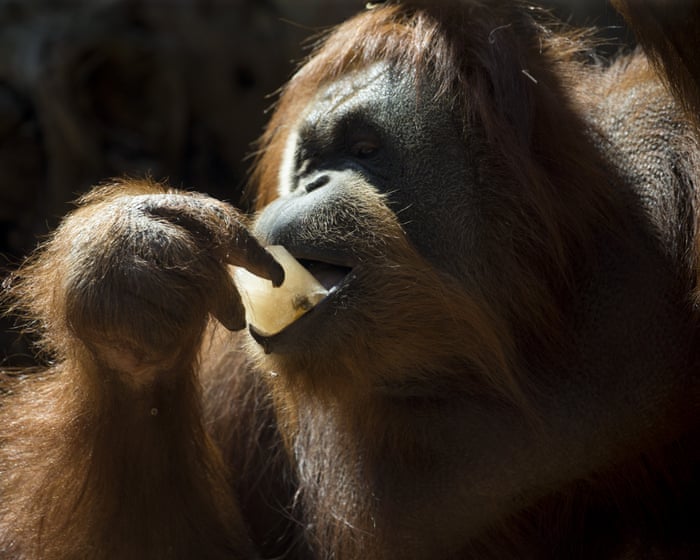
Captive orangutans appear to shape their dietary decisions based on the emotional states of their peers, choosing treats linked to the sounds of others having fun, according to a recent study cited by Science | The Guardian. The research indicates that emotional cues play a significant role in how these apes learn and make choices regarding food.
Scientists observing the animals found that the apes showed a distinct preference for items associated with positive social atmospheres. When confronted with options tied to sounds resembling peer enjoyment, the subjects consistently gravitated toward those specific choices. The findings suggest that emotional contagion and social feedback extend beyond simple mimicry, potentially influencing cognitive processes in primates.
Understanding Primate Social Learning
This behavior offers a rare window into the social dynamics of great apes, highlighting how non-human primates process information from their environment. Historically, studies on primate diets have focused heavily on nutritional availability and individual trial-and-error learning. However, this new research emphasizes that emotional signals within a group can heavily sway individual preferences. Observers note that when peers appear to be having a good time, the surrounding animals register these positive associations and factor them into their own foraging or feeding strategies.
Consumer habits and social influence are not unique to the animal kingdom, as humans frequently alter their consumption based on peer recommendations or market trends, much like consumers rethinking purchases after observing why are some food prices up and others down? Here are the stories of 5 items.
Why This Matters
Understanding how emotions drive learning in our closest evolutionary relatives sheds light on the evolutionary roots of human empathy and social transmission. For conservationists and sanctuary managers, these insights could refine how captive animals are enriched and studied, ensuring their social and psychological needs are adequately met. If emotional states profoundly impact basic survival decisions like eating, animal welfare programs must account for the emotional climate of a group, not just physical provisions.
What to Watch
Researchers are expected to expand their observations to determine whether similar sound-associated preferences appear in wild populations or among other great ape species. Future studies will likely test how negative emotional sounds impact choices, offering a more complete picture of affective learning in primates.
Sources: Science | The Guardian