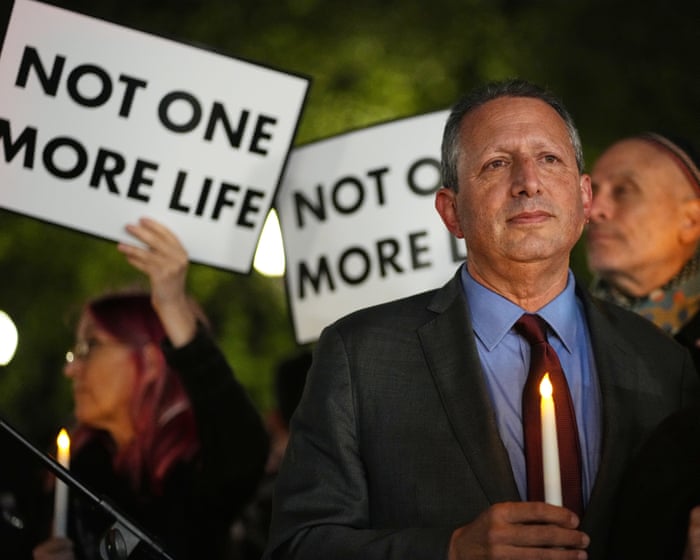
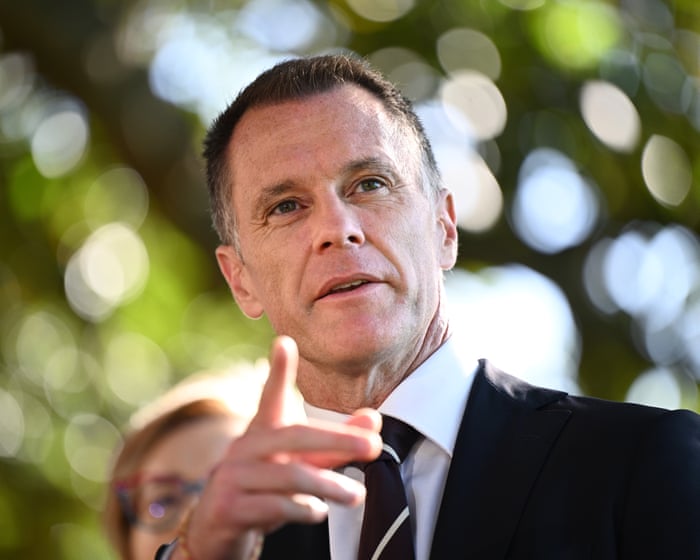
An American rabbi who was recently taken into custody by Israeli troops in the West Bank has broken her silence regarding the incident, according to NPR Topics: World. Rabbi Jill Jacobs, who leads the rabbinical human rights group T'ruah, was detained while participating as an observer during a local Palestinian olive harvest. Her experience highlights a broader pattern of friction involving international and domestic activists monitoring agricultural activities in the region, echoing recent events where the Israeli military detain US and UK volunteers in West Bank including Democratic NY politician Brad Lander.
The Incident During the Olive Harvest
According to the report, Jacobs was detained by Israeli forces while she was simply watching farmers gather their olives. The source states that her presence was intended to document and support the seasonal harvest, which frequently encounters friction and security restrictions in the occupied territory. The detention of a prominent religious leader from the United States has drawn fresh attention to the methods used by military personnel against civilian monitors and human rights advocates operating in the area.
Broader Context and Stakeholder Concerns
(Context: The West Bank has experienced decades of territorial disputes, military checkpoints, and friction surrounding agricultural access, particularly during seasonal olive harvests where farmers often face movement restrictions and safety challenges.)
The detention matters because it places international scrutiny directly on the treatment of human rights observers and foreign nationals who travel to the West Bank to support Palestinian communities. For T'ruah and allied organizations, these actions threaten the safety of volunteers who provide a protective presence during volatile agricultural periods. Conversely, security authorities frequently cite operational necessity and safety concerns when restricting movement or detaining individuals in designated friction zones.
What to Watch
Observers will likely monitor whether international human rights organizations push for formal diplomatic responses following the detention of American citizens and religious figures in the West Bank. Future developments may also reveal if the military adjusts its approach toward foreign observers and volunteers participating in upcoming agricultural events across the territory.
Sources: NPR Topics: World