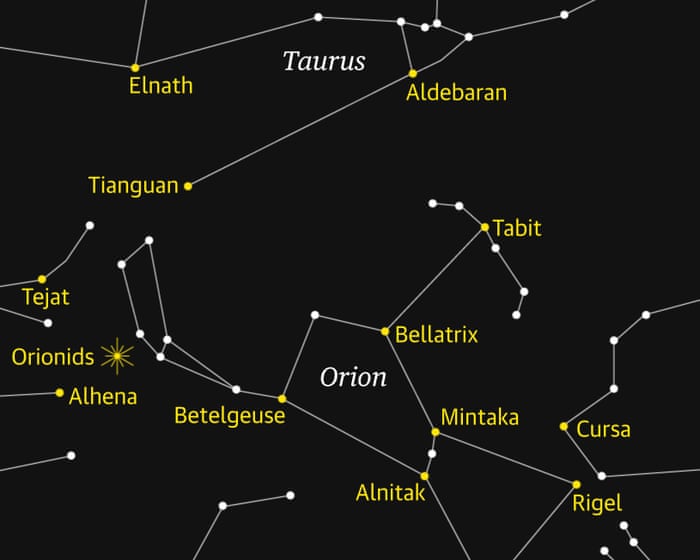
Stargazers across the United Kingdom are preparing for a celestial display this week as the Orionid meteor shower reaches its annual climax, provided that weather conditions cooperate and clouds stay away.
What to Expect from the Night Sky
According to BBC News, observers who find themselves under clear night skies can anticipate spotting anywhere from 10 to 20 meteors per hour during the peak of the event. The shooting stars originate from the debris left behind by Halley's Comet, which crosses paths with Earth's orbit every autumn. While this particular display is known for producing fast and bright streaks of light, visibility remains entirely dependent on local atmospheric conditions and light pollution levels.
For those eager to make the most of the phenomenon, preparation is key. Readers can find helpful pointers in our previous guide on how to see the Orionid meteor shower, which outlines the best viewing techniques. Additional tips and skymapping advice are also detailed in our dedicated Starwatch: catch the Orionid meteor shower streak across the night sky coverage.
Understanding the Cosmic Event
Meteor showers occur when Earth passes through trails of cosmic dust and debris left by comets or asteroids. As these tiny particles slam into the upper atmosphere at high speeds, they vaporize, creating the glowing streaks commonly referred to as shooting stars. The Orionid shower specifically gets its name because the meteors appear to radiate from the constellation Orion.
Why This Matters
Celestial events like the Orionid shower serve as a rare bridge between professional astrophysics and public engagement, offering millions of people a direct connection to the wider solar system. For amateur astronomers and families alike, these occurrences provide an accessible entry point into science without requiring specialized equipment. However, the increasing spread of urban light pollution continues to threaten the visibility of night sky phenomena, prompting ongoing debates about municipal lighting regulations and the preservation of dark sky reserves across the country.
What to Watch
Observers should monitor local meteorological forecasts closely in the coming days, as cloud cover represents the single biggest obstacle to viewing the peak. As the active window for the Orionid shower draws to a close later in the week, attention will shift toward subsequent autumn and winter meteor displays, such as the Leonids and Geminids, which offer their own distinct viewing opportunities.
Sources: BBC News