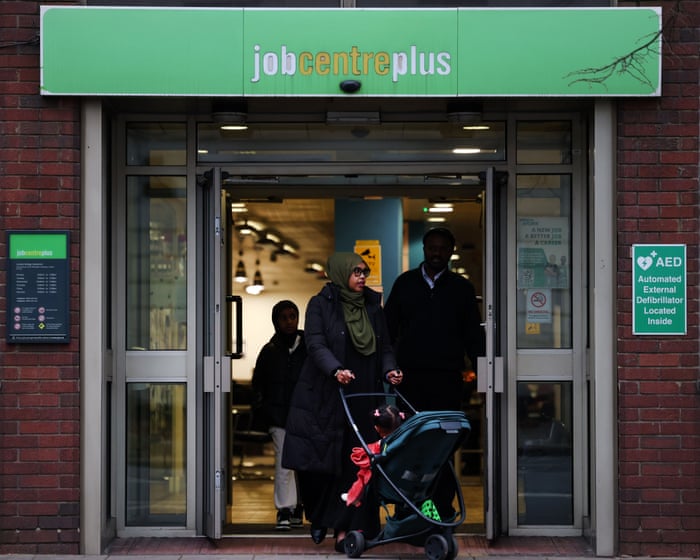
British employers are dialling back their hiring ambitions, with official figures pointing to a shrinking pool of available positions across the country. According to the latest data from the Office for National Statistics (ONS), the primary driver behind this cooling trend is a reluctance among smaller enterprises to bring on new staff.
As detailed by BBC News, proprietors of compact enterprises are increasingly pointing to elevated labour expenses as the principal barrier preventing them from expanding their workforces. This scaling back of recruitment reflects a broader cautious streak in the private sector, even as broader economic indicators present a mixed picture of the national labour market. For a deeper look at how hiring trends are shifting amid broader financial pressures, readers can explore our coverage on how the UK unemployment rate falls in pre-budget boost, but firms keep cutting vacancies in ‘jobs drought’ – business live.
Pressures on Enterprise Budgets
The ONS findings highlight a distinct tension for independent businesses trying to balance daily operational overheads against the rising price of employing staff. When wage bills and regulatory expenses climb, hiring fresh talent often becomes the first expenditure that owners choose to defer or cancel entirely.
This reticence among smaller operators sits against a complex economic backdrop where broader fiscal policy and inflation continue to influence corporate decision-making. Observers note that while larger corporations may absorb these expenses more easily, independent operators feel the pinch immediately, directly impacting local employment opportunities. Similar financial anxieties are frequently debated on the international stage, such as when evaluating whether small business owners are doing OK – but will that help Trump overcome his low approval ratings?
Why This Matters
For workers and jobseekers, this persistent downward trend in job openings signals a tightening labour market where securing employment may require greater persistence. When smaller businesses—which collectively form a massive backbone of national employment—freeze their recruitment, the overall mobility of the workforce slows down. This dynamic can dampen wage growth and limit career transitions, affecting households far beyond corporate boardrooms.
Context and Outlook
What to watch: Analysts will be monitoring upcoming ONS releases and government fiscal announcements to see if employer sentiment rebounds or if the hiring freeze deepens. Particular attention will be paid to whether upcoming policy changes offer relief to smaller firms struggling with payroll costs.
Sources: BBC News