Political tensions in South Asia have escalated sharply as authorities increasingly target opposition politicians using the nation's stringent anti-terrorism legislation, according to NPR Topics: World. The ongoing political showdown reflects a deepening institutional rift within Pakistan, where judicial and security frameworks are frequently invoked during power struggles. Legal experts and human rights advocates have long scrutinized the application of these security statutes against civilian political figures, warning that such measures risk compromising democratic norms.
The Escalating Conflict
The latest developments show a growing number of opposition figures facing formal implication under counter-terrorism provisions on October 18, 2026. According to the report, the widening scope of these investigations points to a concerted effort by the ruling establishment to sideline political opponents. While state authorities maintain that these legal actions are necessary to maintain public order and security, critics argue the measures represent a clear abuse of power designed to suppress dissent. Similar confrontations between state authorities and political dissidents have been observed internationally, reminiscent of how anti-government protesters battle with police in Albania amid rising civil unrest.
Why This Matters
(Context: This section provides independent analysis of the broader implications.)
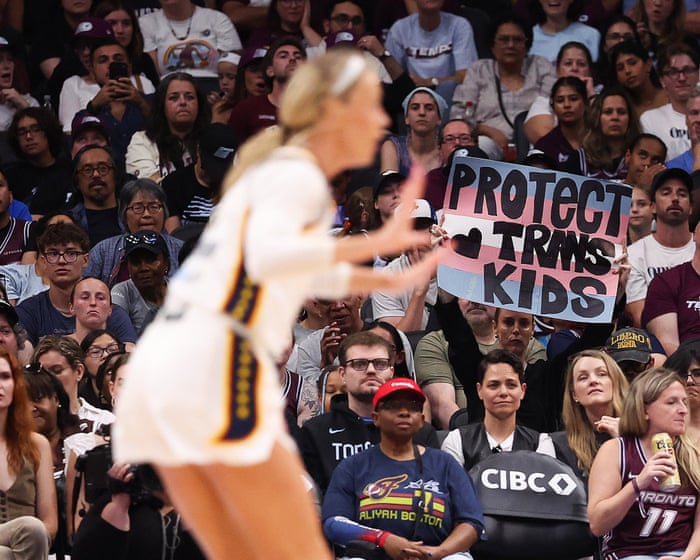
The deployment of anti-terrorism laws against mainstream political rivals carries profound implications for the stability of democratic institutions in the region. When security legislation originally drafted to combat violent extremism is instead applied to political opposition, it erodes public trust in the judiciary and law enforcement agencies. This dynamic not only alienates large segments of the electorate who support the targeted parties, but it also creates a volatile environment prone to further polarization. For international observers and investors, the erosion of predictable legal processes signals potential instability, affecting everything from domestic governance to foreign relations. Similar high-stakes battles over institutional power and public pushback can be seen in other arenas, such as how the right is pushing its anti-trans fury on the WNBA. Players and fans are loudly pushing back, demonstrating how polarized conflicts frequently spill over into mainstream cultural and institutional domains.
What to Watch
(Context: Potential future developments to monitor.)
Observers should monitor upcoming court hearings regarding the legality of the terrorism charges, as judicial pushback could alter the government's strategy. Additionally, any coordinated response from opposition coalitions, including potential street protests or legislative boycotts, will test the resilience of the current administration.
Sources: NPR Topics: World