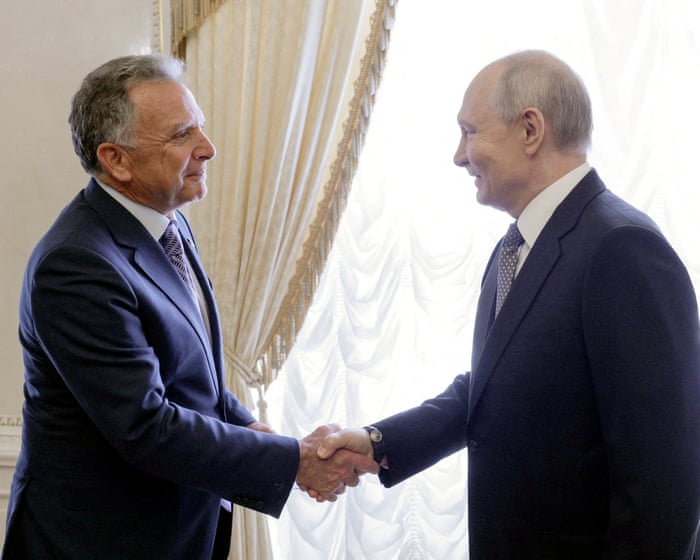
Moscow has signaled its willingness to restart negotiations aimed at halting the ongoing conflict, according to a report published by BBC News. The diplomatic opening follows a high-level meeting in St Petersburg between Russian President Vladimir Putin and Steve Witkoff, who serves as the special envoy for U.S. President Donald Trump.
The discussions represent a shift in the diplomatic posture of the Kremlin regarding a potential resolution to hostilities. While the Russian state has previously maintained rigid conditions for ending the conflict, the engagement with Washington's diplomatic representative indicates a renewed channel for dialogue. Observers have noted that such developments come as international pressure mounts on all participating nations to find a sustainable diplomatic off-ramp.
Diplomatic Context and Background
Diplomatic efforts to resolve the war have faced numerous hurdles since the escalation of hostilities, drawing sharp divisions across international alliances. As outlined in previous analysis on our platform regarding former U.S. Ambassador to Ukraine on Trump's turn toward Russia, shifts in Washington's foreign policy approach often alter the strategic calculus in Eastern Europe. The current administration has consistently pressed for rapid negotiations, a strategy further detailed in our reporting on how Trump makes Russia-friendly moves as he looks for a way to end the war with Ukraine.
(Context: While official talks have occasionally flickered to life through intermediaries, finding a mutual compromise on territorial integrity and security guarantees remains extraordinarily difficult. Analysts suggest that any serious negotiation framework must balance Moscow's core demands against Kyiv's sovereign rights and Western security commitments.)
Why This Matters
The prospect of renewed trilateral talks carries profound implications for European security, global economic stability, and the immediate safety of millions living in conflict zones. For Ukraine and its allies, the stakes involve preserving national sovereignty and preventing territorial concessions that could validate military aggression. Conversely, for Moscow and Washington, opening a dialogue channel tests the viability of bilateral diplomacy in managing a crisis that has strained global supply chains, energy markets, and international alliances for years.
What to Watch
Analysts will be monitoring whether this meeting translates into concrete procedural steps, such as a formal cease-fire framework or preliminary agendas for peace talks. Key indicators of progress will include official statements from Kyiv and European capitals regarding their inclusion in any prospective diplomatic architecture.
Sources: BBC News