Saudi Arabia has replaced the commander of its coalition forces in Yemen after a series of battlefield reversals handed the Houthis their biggest gains in years, a move that underlines how badly the war in Yemen has turned against Riyadh's allies since the summer.
Also readIranian singer and four others receive lashes after performance without hijab
King Salman issued a royal decree on Monday, November 16, removing Lieutenant General Fahd bin Hamad al-Salman from command of the Saudi-led joint forces and appointing him as an adviser to the defence minister for military affairs, according to Saudi state media.
His replacement is General Fayyad al-Ruwaili, the kingdom's Chief of the General Staff, who will take on the coalition command in addition to his existing role. The choice of successor matters. Rather than bringing in an outsider, Riyadh has handed the Yemen file to its most senior uniformed officer and concentrated both jobs in one pair of hands.
Also readWhat strike on Russian ship in Libya says about spread of Ukraine war
Al-Salman, meanwhile, has not been cast out: keeping him inside the defence establishment as an adviser suggests the palace wants continuity and institutional memory at a moment when the coalition's position is deteriorating, rather than a public purge. Two Western diplomats told Reuters the change was directly linked to developments on the battlefield.
Those developments have been stark. The Houthis have made rapid gains against the Saudi-backed Yemeni government since the conflict between the United States and Iran reignited Yemen's frozen civil war this summer, drawing Riyadh back into direct confrontation with the group.
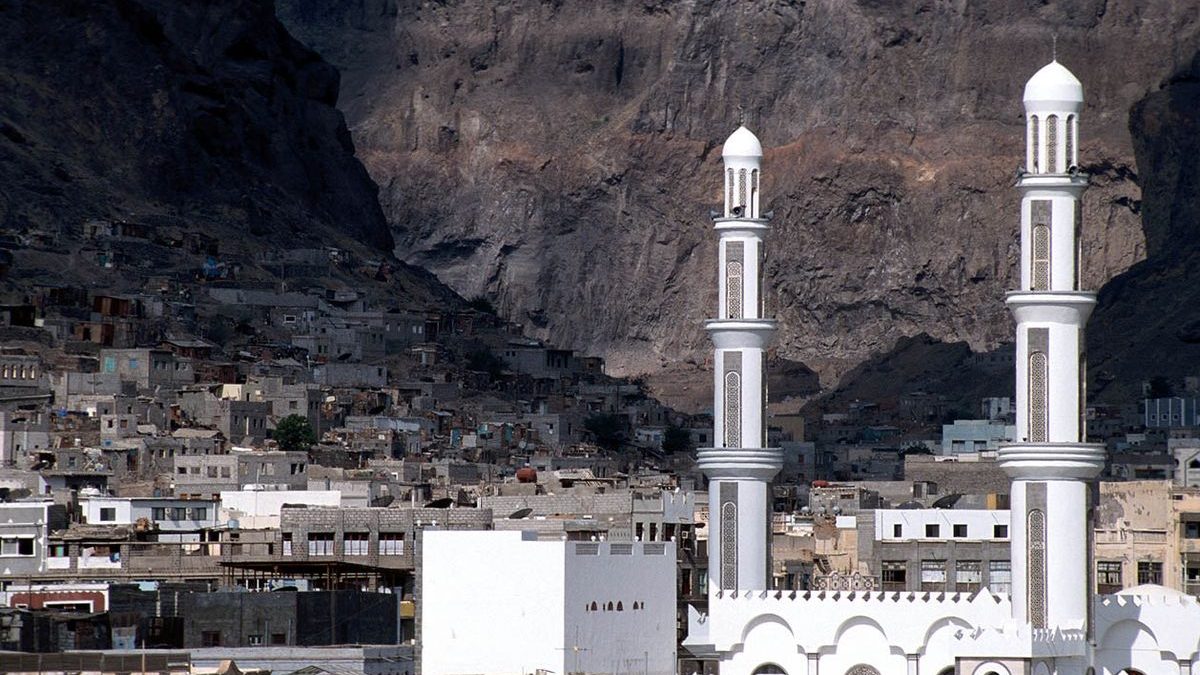
A Houthi offensive in September cost the government control of Yemen's Red Sea coast, including the key port city of Mocha, and the group has since besieged Taiz completely. On Monday, people in the Yemeni military said the Houthis had advanced to the southern coastal area of Khor Omairh, some 100 kilometres west of Aden, and were 25 kilometres from government lines at Qawah, another coastal area.
According to Al Jazeera, the Houthis have advanced to an area 60 kilometres north of Aden, the Yemeni government's interim capital. Yemen's internationally recognised government said on Sunday that coalition forces were withdrawing from areas near the key Bab al-Mandeb strait to focus on defending Aden.
The retreat is the setback that cost al-Salman his command. Government forces had only recently pushed to recapture territory along the Red Sea coast, but they have now been forced to abandon that effort and fall back to reinforce Aden. Yemeni Armed Forces spokesperson Majed al-Nuzaili defended the move as a tactical redeployment, saying on X that it was "an extension of the heroic positions of the popular resistance and the southern forces in protecting the temporary capital Aden." The stakes go well beyond Yemen's borders.
Bab al-Mandeb, the narrow strait between Yemen and Djibouti, is one of the world's most important shipping chokepoints, and Saudi oil exports have been flowing through it while the United States-Iran war stifles traffic through the Strait of Hormuz. A Houthi presence astride the strait would give the group leverage over a vital trade artery and over Saudi Arabia's main outlet for crude at a moment when the kingdom can least afford disruption.
The fighting is also spilling over into Saudi territory. The Houthis have been firing ballistic missiles at Saudi Arabia's airports and oil facilities since Yemen's civil war restarted in July — the same month Yemen's parliament moved to designate the group a terrorist organisation — and and earlier on Monday Saudi Arabia said it had shot down two Houthi drones targeting the Mecca and Riyadh regions.
Government forces insist they are still fighting back. They say they retook key positions near Bab al-Mandeb after the Houthi advance on the strait and the Red Sea coast this summer, though they have been unable to retake Mocha, and they claim to have killed or wounded 173 Houthi fighters as part of Operation Dawn of Yemen, with engagements in Marib, Lahij and al-Jawf.
But the direction of travel on the ground is unmistakable: a coalition that spent the summer on the offensive is now digging in around Aden. For civilians, the cost is mounting fast. Houthi-affiliated media reported coalition air strikes on the capital Sanaa, which the Iran-backed group took in 2014, and said one person was killed in an attack on a school in Taiz.
Authorities in the besieged city of Taiz have called for humanitarian corridors to allow civilians to evacuate, as medical officials warned hospitals could be forced to end operations within two days due to a lack of fuel and oxygen. The reshuffle raises an obvious question: what comes next?
The appointment of al-Ruwaili, who now holds both the kingdom's top military post and the coalition command, suggests Riyadh is preparing for a harder fight rather than a negotiated exit. Whether Aden can hold, and whether the coalition can stabilise a front that has moved steadily in the Houthis' favour since July, will be the test of the new commander's tenure.
For now, the Houthis are closer to Aden than they have been in years, and Saudi Arabia has responded by changing the general in charge. The Yemen war has shaped the region for more than a decade, and its latest turn cannot be separated from the wider war between the United States and Iran that has engulfed the Gulf since February.
As long as that conflict continues, Yemen's frozen war will keep thawing in the Houthis' favour — and Riyadh's new commander will inherit a campaign that is, by any honest measure, going badly.