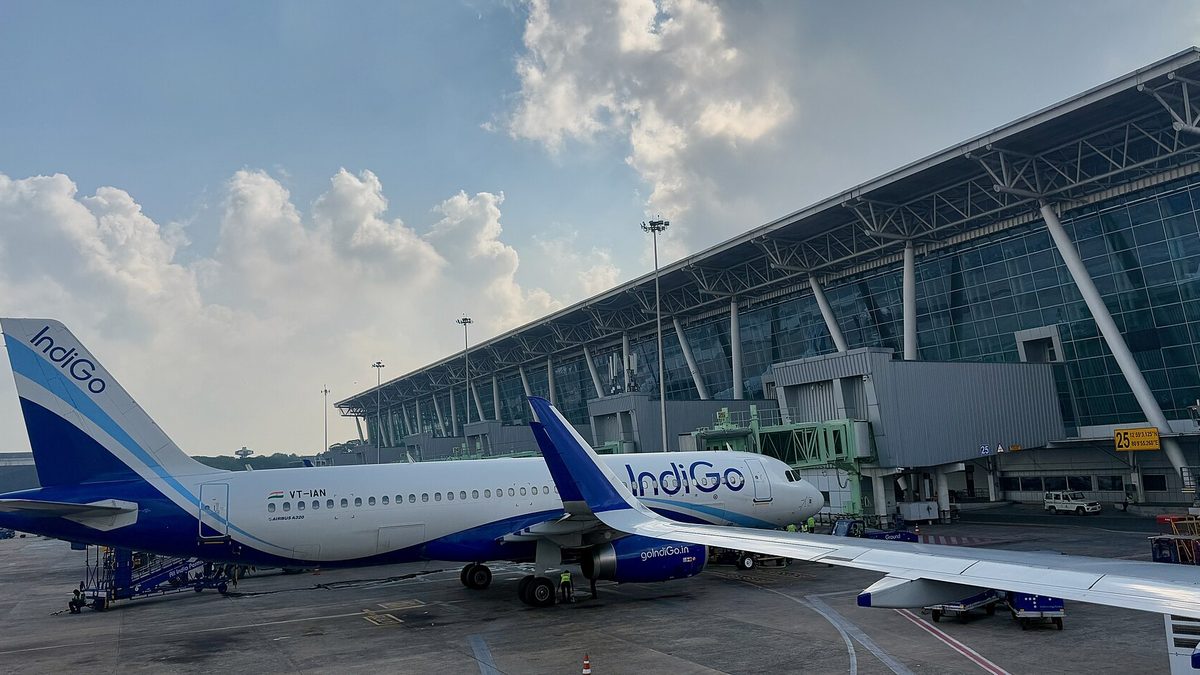
India's largest airline has grounded its entire Saudi Arabia operation until the end of the month, the latest sign that the Gulf's widening security crisis is now disrupting civilian air travel across the region. IndiGo announced on Wednesday, November 18, that all flights to and from four Saudi cities — Jeddah, Madinah, Riyadh and Dammam — would remain cancelled until November 30, 2026, inclusive, citing the prevailing security situation in the kingdom.
Also readWild stock market swings: will I lose money, and is there anything I can do?
The airline said affected passengers were being contacted through the details they provided at the time of booking, and that it was monitoring the situation and assessing developments. The announcement matters because it goes further than the airline's previous advisory.
On November 10, IndiGo had suspended Jeddah and Madinah only until November 21, while Riyadh and Dammam were already halted until November 30. Wednesday's advisory brings all four cities onto the same date, meaning Jeddah and Madinah lose another nine days of flights.
Also readNext issues cyber-attack warning after ‘benign’ data accessed by hackers
According to The Times of India, the move extends a disruption that has now run for more than a month.
IndiGo is not acting alone. Air India and Air India Express have suspended services to Riyadh and Dammam until November 30, while their Jeddah operations remain affected by separate suspension timelines, and Akasa Air has also extended cancellations on services to Jeddah and Riyadh until the end of the month.
Between them, the three Indian carriers account for the bulk of the direct air link between India and Saudi Arabia, a corridor that carries millions of workers, business travellers and pilgrims every year. The suspensions have been extended repeatedly since mid-October.
IndiGo first halted Saudi flights from October 17 to October 24, then pushed the date to October 31 for Riyadh, and again to November 14 for all four cities, before the November 10 advisory set the split November 21 and November 30 dates. Each extension has followed a fresh deterioration in the regional security picture, and none has yet been followed by a resumption.
The immediate backdrop is the campaign of missile and drone attacks claimed by Yemen's Houthi group against Saudi targets. On November 8, Saudi Arabia's Ministry of Energy confirmed that an administrative building belonging to state-owned oil giant Saudi Aramco in Riyadh had been targeted in an attempted attack.
The Houthis have been firing ballistic missiles at Saudi airports and oil facilities since Yemen's civil war restarted in July, and earlier this week Riyadh said it had shot down two Houthi drones targeting the Mecca and Riyadh regions. The fighting in Yemen itself has also turned sharply against Riyadh's allies.
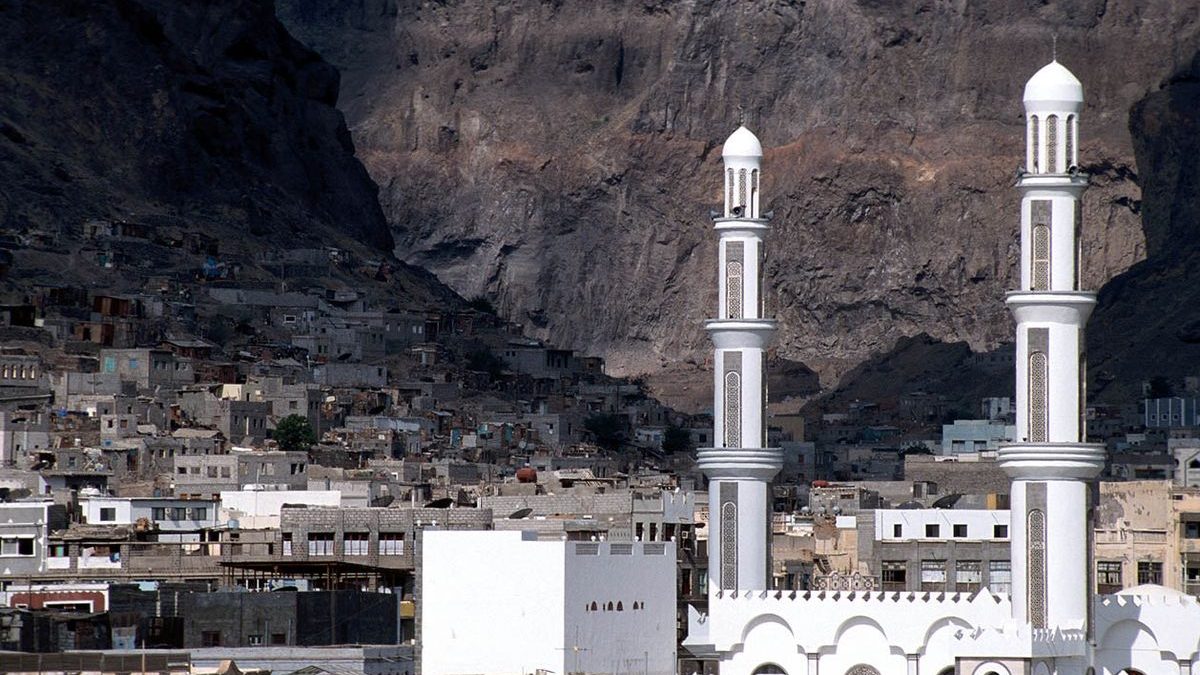
Saudi Arabia this week replaced the commander of its coalition forces in Yemen after Houthi forces advanced to within 60 kilometres of Aden, the Yemeni government's interim capital.
The wider war between the United States and Iran, which has engulfed the Gulf since February, has meanwhile put the region's airspace and shipping lanes under sustained strain — Washington destroyed five Iranian oil tankers this month as Tehran retaliated with missile strikes on targets in Jordan, and drone attacks have now reached US bases in Kuwait and Bahrain.
For passengers, the practical consequences are immediate. IndiGo said customers whose travel plans were affected were being contacted about ticket re-accommodation, refunds and alternative travel arrangements. But alternatives are thin: with the three main Indian carriers all suspended on the same routes, travellers must reroute through Gulf hubs such as Dubai, Doha or Abu Dhabi, where seats are scarce and fares have risen, or postpone their journeys altogether.
The timing is particularly painful for pilgrims. Jeddah is the main gateway to Mecca and Madinah hosts the Prophet's Mosque, and the two cities are the arrival points for hundreds of thousands of Indian Muslims travelling for Umrah, the lesser pilgrimage that runs year-round.
November is one of the busiest months for Umrah travel from India, and the suspension leaves tour operators scrambling to rebook groups through other airports or delay departures they have already sold. The disruption also hits the far larger flow of Indian workers in the kingdom.
Saudi Arabia hosts more than two million Indian nationals, the largest Indian expatriate community in the Gulf, and the direct flights they rely on for home leave, family visits and new employment contracts are now grounded for at least another twelve days. Remittance-dependent households in Kerala, Uttar Pradesh and Bihar, the states that send the most workers to the Gulf, will feel the delay first.
Airlines have given no date for a return to service beyond the current suspension, and IndiGo said operations remained subject to change depending on the security situation. The pattern of the past five weeks suggests the November 30 date is a planning horizon rather than a promise: every previous deadline has been extended, and each extension has arrived with little warning.
For now, the message to travellers is the same one the airline has repeated since October — wait, and expect the wait to get longer. What happens next depends on whether the Houthi attacks on Saudi targets ease and whether the wider US-Iran confrontation in the Gulf cools.
Until then, one of the world's busiest migration and pilgrimage corridors stays closed, and the airlines that fly it are left counting the cost of a war that shows no sign of ending.