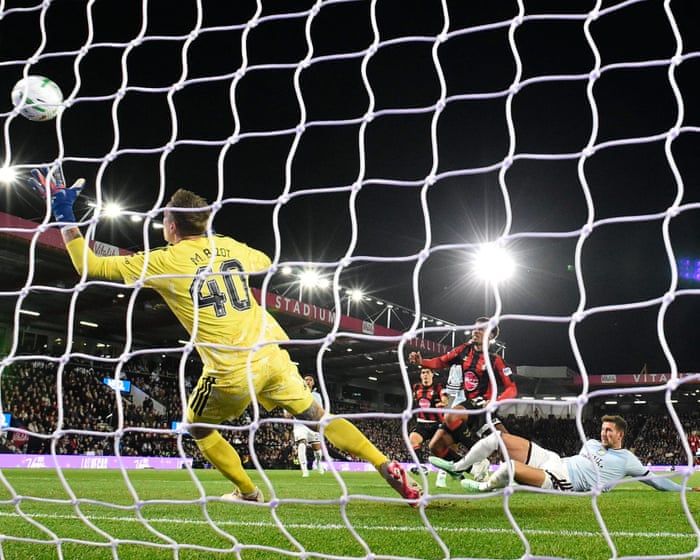
The controversial technique of the stop-start penalty run-up is facing renewed scrutiny across the sport following a decisive missed spot-kick that ultimately cost Chelsea.
According to BBC Sport, the ongoing reliance on stuttering approaches by modern players has been labelled as "naive" as athletes continually attempt to outwit goalkeepers through deception. While strikers often use the pause to read the goalkeeper's movement, analysts point out that the tactic carries massive risks when execution fails, directly influencing match outcomes at the highest competitive level.
The Mechanics of Deception
The report states that the primary motivation behind the stutter-step is psychological manipulation, forcing the goalkeeper to commit to a diving direction prematurely. However, critics argue that stopping completely or excessively stuttering strips the penalty taker of natural momentum and timing, often resulting in weak efforts that are easily gathered. Football lawmakers permit feinting during the run-up as long as the player does not stop once they have completed their approach, yet the grey area surrounding what constitutes a legal hesitation continues to divide opinion among officials and players alike.
While some coaches encourage attackers to use every legal trick available to secure an advantage from twelve yards, detractors maintain that simplicity remains the most effective weapon under pressure. Similar strategic debates often arise when analyzing how unbeaten Chelsea are getting back to their best during demanding domestic campaigns, where minor tactical margins frequently separate victory from defeat.
Why This Matters
This ongoing debate highlights the fine margins that define elite football seasons, where a single misjudged technique can alter league standings and European ambitions. For clubs investing heavily in squad depth and tactical preparation, wasted set-pieces represent a tangible loss of points that affects player morale and managerial pressure. Fans and pundits alike remain split on whether referees should crack down further on hesitant run-ups to maintain traditional standards of fairness.
Looking ahead, officials and rule-making bodies may face mounting pressure to provide clearer guidelines regarding acceptable run-up behavior. Observers will be monitoring upcoming fixtures to see if penalty takers adjust their methods or if referees begin penalizing hesitant approaches more strictly.
Sources: BBC Sport