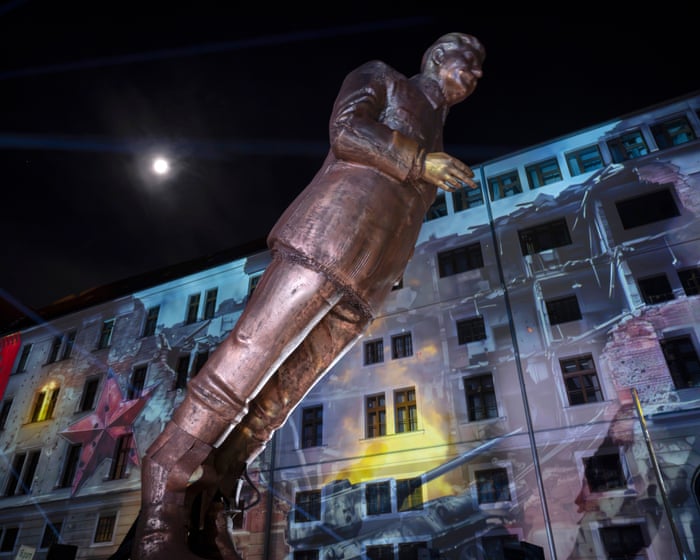
Hungary’s incoming administration is set to publish the identities of tens of thousands of state informants who collaborated with security police during the communist era, according to World news | The Guardian. Scheduled for Wednesday, the mass unmasking targets records compiled between 1945 and 1989, a period when the regime utilized a vast network of spies to crush political dissent. The upcoming transparency push aims to restore fractured public trust by lifting the veil on decades of historical secrecy.
Uncovering Decades of State Surveillance
During the four decades of communist rule, security forces depended heavily on ordinary citizens turning on neighbors, colleagues, and family members. According to the report, the newly elected government insists that exposing these collaborators is a necessary step to address historical grievances and heal national divisions. For generations, suspicions have lingered over who cooperated with the regime, creating an environment where rumors often poisoned interpersonal relationships long after the political system collapsed.
Historical reckonings with secret police archives have followed varied paths across Eastern Europe since the fall of the Iron Curtain, often stirring intense public debate over collective guilt versus individual accountability. Similar transitions in the region, as detailed in our analysis on how the downfall of Serbia's Vučiċ mirrored that of Hungary's Orbán, show how past authoritarian legacies continue to shape modern political struggles.
Why This Matters
Context: Opening these archives strikes at the core of national memory, forcing contemporary society to confront uncomfortable truths about complicity under totalitarian rule. For many families, the disclosures risk shattering long-held illusions about relatives or acquaintances, transforming abstract historical oppression into immediate, personal betrayal. Critics and supporters alike recognize that while transparency can offer closure, it also threatens to open old wounds in a country where political divisions remain sharp.
What to Watch
Context: Observers will be monitoring the immediate public reaction following Wednesday's document release, specifically how civil society groups and legal experts respond to potential privacy disputes or contested file accuracy.
Sources: World news | The Guardian