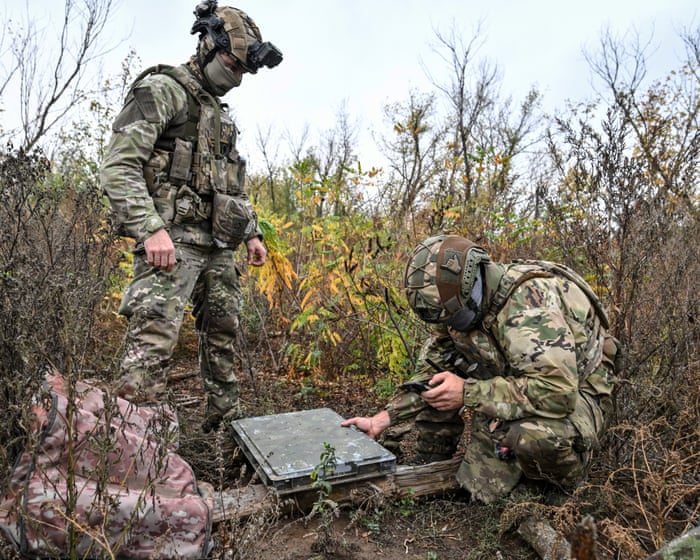
Ukrainian President Volodymyr Zelenskyy announced that standard operating speeds for Starlink terminals across the country have returned to normal following a prolonged period of technical failures. According to NPR Topics: World, the high-speed satellite network experienced degraded performance and connectivity issues that persisted for more than a week before service was finally stabilized.
The recent interruptions underscore the fragile ecosystem supporting modern warfare communications. As digital infrastructure becomes deeply intertwined with national defense, unexpected outages can instantly degrade battlefield coordination. This vulnerability has frequently prompted questions about who actually controls Ukraine's access to Starlink, highlighting how heavily regional defense operations rely on private corporate providers.
Background on Satellite Dependence in Modern Conflict
Since the outbreak of the full-scale conflict, satellite internet has served as a backbone for both civilian infrastructure and military command units in the region. Traditional communication lines are routinely targeted or destroyed by shelling, leaving portable satellite dishes as primary lifelines for real-time intelligence sharing and troop movements. Earlier incidents of restricted bandwidth also led to public friction and operational challenges, as detailed in reports analyzing how Ukraine’s military says Starlink satellite connection stable after recent restrictions.
Service fluctuations directly threaten front-line units that depend on uninterrupted data streams for drone reconnaissance and artillery targeting. When connectivity drops, tactical response times slow down, increasing risks for personnel operating in contested zones. Conversely, reliable signals allow commanders to maintain operational oversight over hundreds of miles of active combat fronts.
Why This Matters
The heavy reliance on a single commercial constellation run by a private entity presents a unique geopolitical dilemma. While the system provides an undeniable tactical edge, it also leaves regional forces exposed to policy shifts, corporate decisions, or technical bottlenecks that are entirely outside local control. Similar episodes where Ukraine says Starlink connection 'now stable' after network limits demonstrate that connectivity is rarely guaranteed over the long term.
Context: Satellite internet relies on vast networks of low-earth-orbit spacecraft communicating with ground stations and portable terminals. Disruptions can stem from software glitches, hardware updates, localized jamming, or policy changes enacted by the operating company.
Observers will be monitoring whether network speeds remain consistent over the coming weeks or if recurring maintenance triggers additional slowdowns. Analysts also note that defense planners are likely accelerating efforts to diversify communication channels to reduce vulnerability to future commercial outages.
Sources: NPR Topics: World