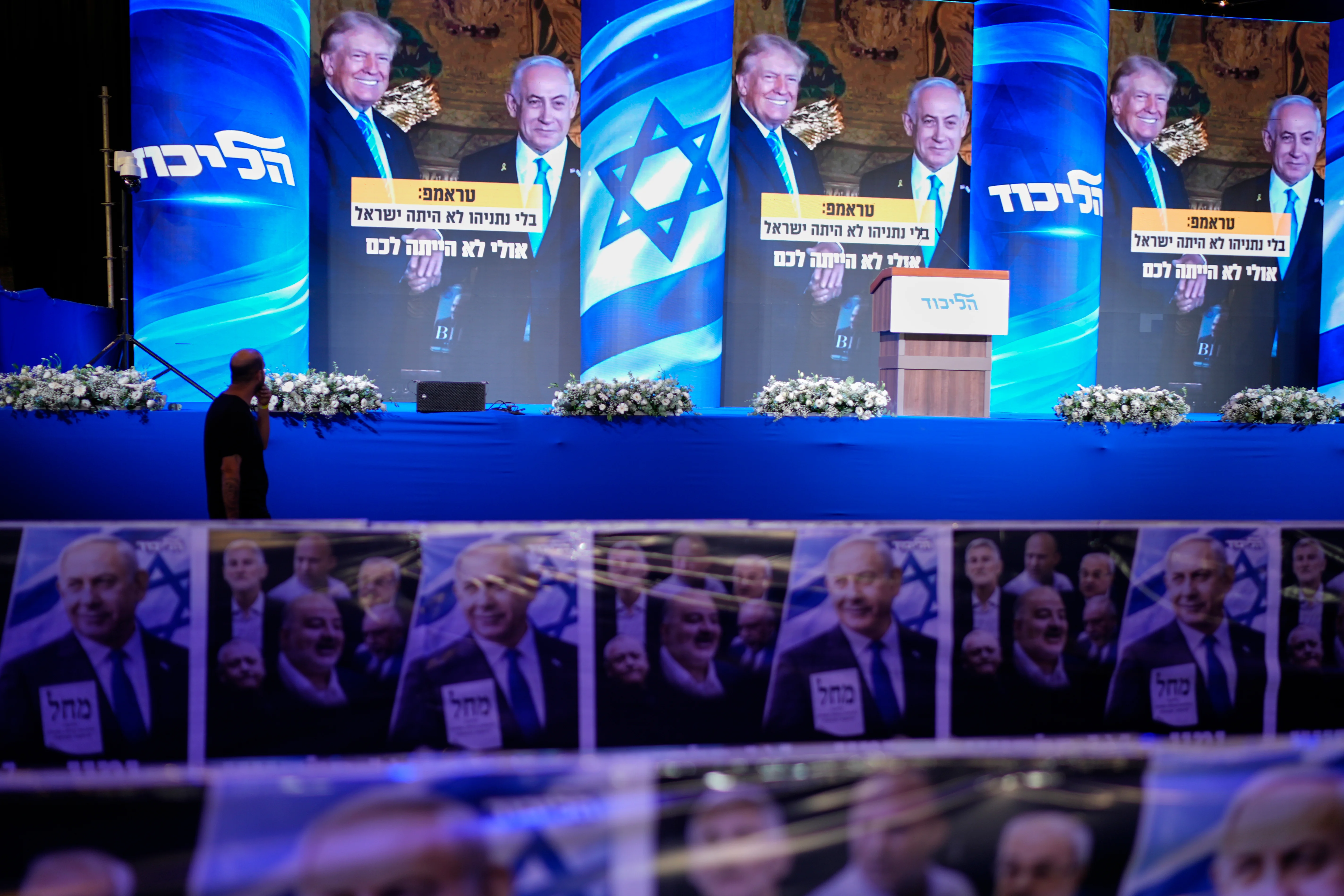
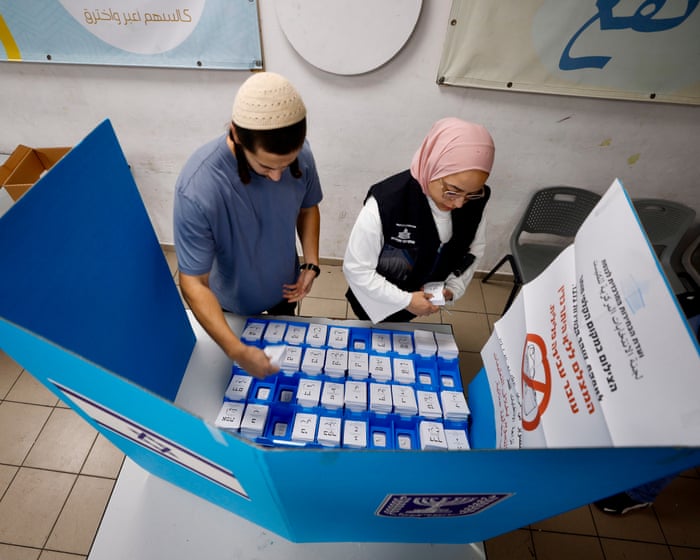
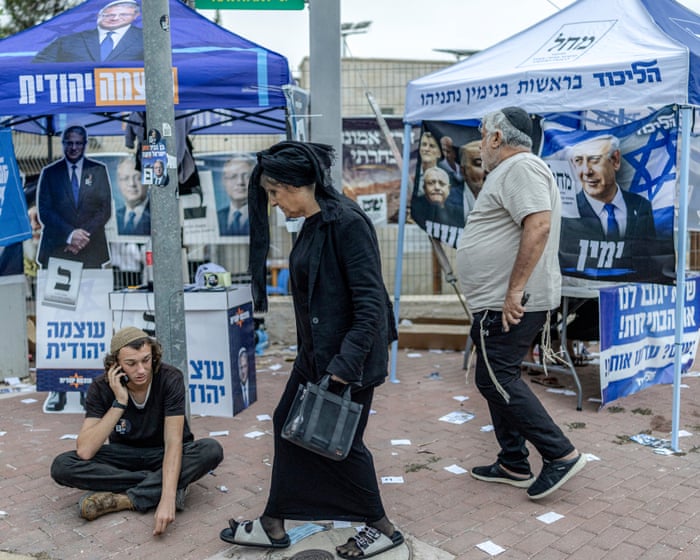
Polling stations have closed across Israel following a ballot that ended without a definitive victor, leaving the political future of the nation uncertain. According to BBC News, the conclusion of voting on October 27, 2026, immediately triggered questions over how a government will be formed and who will ultimately take power after an inconclusive contest.
Political stability in Israel has frequently relied on complex coalition agreements, making closely contested elections a recurring challenge for the country's parliamentary system. As voters went to the ballot boxes for what many considered a deeply consequential national decision, heightened public participation boosted hopes among opposition factions aiming to unseat long-serving leaders, as detailed in our coverage of how Israel's election has a high turnout, lifting opposition hopes of beating Netanyahu. At the same time, initial projections suggested a tight race with narrow margins separating rival political blocs.
Path to a Coalition Government
With no single party securing an outright majority, the focus shifts entirely to arduous negotiations between rival factions. Early exit surveys indicated that the political bloc led by Benjamin Netanyahu secured slightly fewer seats than needed for a straightforward parliamentary majority, according to related reporting on how the Israel election too close to call as exit polls give Netanyahu bloc slightly fewer seats. Analysts point out that forming a working administration will require building alliances with smaller parties, a process that often involves significant political concessions and prolonged talks.
Why This Matters
(Context: This analysis does not constitute reported fact.) The outcome of this election carries massive implications for domestic governance, regional security, and international diplomacy. Because Israeli politics operates on fragile coalitions, a paralyzed parliament or a weak government can stall critical policy decisions, ranging from state budgets to security measures. For citizens and international partners alike, the inability to produce a clear winner prolongs political anxiety and deepens existing societal divisions.
What to Watch
(Context: Expected developments to monitor.) Observers should monitor official election results as they are finalized by electoral authorities, as well as any early statements from party leaders regarding potential coalition partnerships. The formal mandate to form a government will ultimately be handed down by the nation's president, setting off a strict constitutional timeline for negotiations.
Sources: BBC News